0086-592-5566387
 enquiry@ticarehealth.com
We serve all people who pursue high quality and personal customization for healthy life all over the world .
Categories
Latest blog
Tags
Triangular bandages are one of the most versatile and essential components in first aid kits, emergency response packs, and hospital trauma supplies. From arm slings to head bandaging and fracture stabilization, this simple cotton or non-woven cloth plays a critical role in pre-hospital and clinical care.
For medical distributors, hospital procurement teams, first aid kit assemblers, NGOs, and government tender suppliers, triangular bandages are not just training tools — they are high-volume consumables that require consistent quality, standardized sizing, and reliable export supply.
At TICARE, we manufacture and export triangular bandages in bulk quantities for:
- Hospital procurement departments
- Emergency and disaster relief organizations
- First aid kit manufacturers
- Medical distributors and wholesalers
- Government and NGO tenders
Our triangular bandages are available in sterile and non-sterile formats, with customizable packaging options to meet regional market requirements. Standard size is 96 × 96 × 136 cm, with OEM labeling and private branding support available.
If you are sourcing triangular bandages in bulk, requesting MOQ details, or comparing certified suppliers in China, you can contact our sales team for:
- CE & ISO13485 documentation
- Product specifications sheet
- Carton loading details
- FOB quotation within 24 hours
Now, below we outline the 10 most common triangular bandage techniques used in emergency care and clinical settings — helpful for training, product specification reference, and procurement evaluation.

Purpose: To support and immobilize an injured arm or shoulder.
Steps:
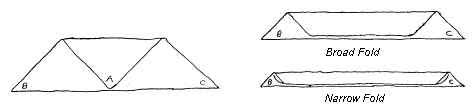
Purpose: To support and immobilize larger body parts like the chest, abdomen, or back.
Steps:
For emergency kits and hospital procurement, triangular bandages are typically packed in individual sterile pouches or bulk non-sterile export cartons.
| Item | Specification |
|---|---|
| Material | 100% cotton / non-woven |
| Size | 96×96×136cm or customized |
| Sterility | Sterile / Non-sterile |
| Packaging | 1pc/bag, bulk carton |
| Certification | CE / ISO13485 |
| MOQ | 10000 pieces |
| Lead Time | 30 days |
Request Bulk Quote Within 24 Hours
Purpose: For securing splints or dressing wounds.
Steps:

Purpose: To protect and secure a head wound.
Steps:
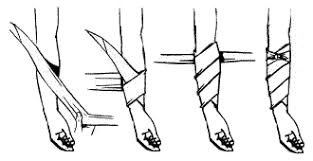
Purpose: To secure a dressing on a hand wound.
Steps:
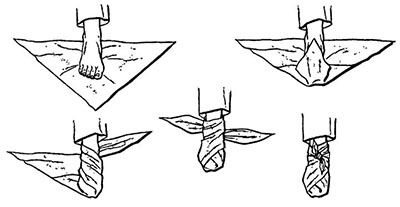
Purpose: To immobilize and support an injured ankle.
Steps:
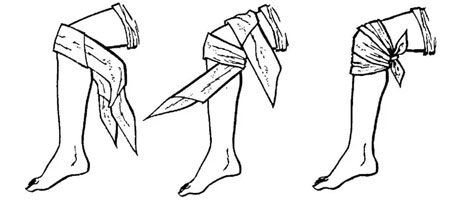
Purpose: To provide support and immobilize an injured knee.
Steps:
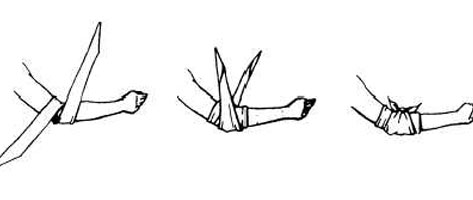
Purpose: To immobilize and support an injured elbow.
Steps:

Purpose: To protect and cover an injured eye.
Steps:
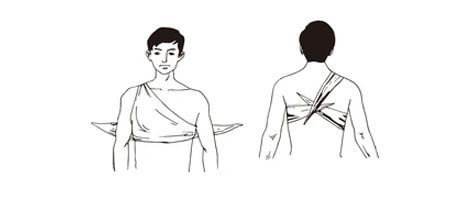
Purpose: To immobilize and support an injured chest or back.
Steps:
- Hospital procurement departments
- First aid kit manufacturers
- Government tender suppliers
- NGOs & humanitarian aid organizations
- Medical distributors
Triangular bandages are invaluable in first aid due to their adaptability and ease of use. By mastering these ten bandaging techniques, you can provide effective support and care in various emergency situations. Always ensure that bandages are applied snugly but not too tight, and seek professional medical assistance as soon as possible after administering first aid.
Looking for a Reliable Triangular Bandage Manufacturer in China? Contact TICARE Sales Team
Email: enquiry@ticarehealth.com
WhatsApp: +86 13779966500

sign up for our newsletter to receive the latest news, exclusive offers, and other discount information.