+86-13950196535, 086-592-5566387
 enquiry@ticarehealth.com
We serve all people who pursue high quality and personal customization for healthy life all over the world .
Categories
Latest blog
Tags
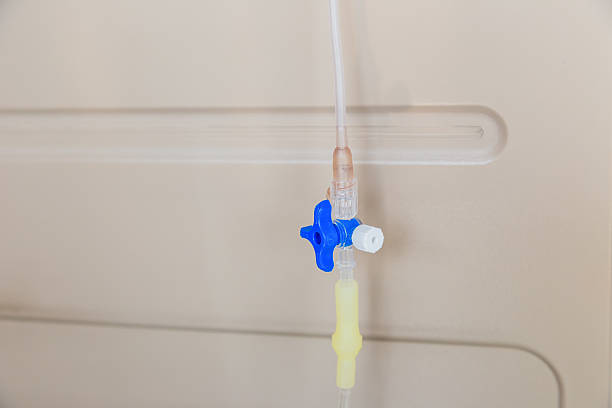
A 3-way stopcock is a small but essential medical valve used to control fluid flow between multiple IV lines. It allows healthcare professionals to safely manage infusion therapy, medication administration, and blood sampling without disconnecting tubing.
Because of its versatility, the 3-way stopcock is widely used in hospitals, clinics, and emergency care settings as part of IV therapy systems.
In this guide, we explain how a 3-way stopcock works, how to set it up correctly, and how to avoid common safety mistakes.
A 3-way stopcock is a medical valve that connects three ports and allows clinicians to control the direction of fluid flow between IV lines or syringes.
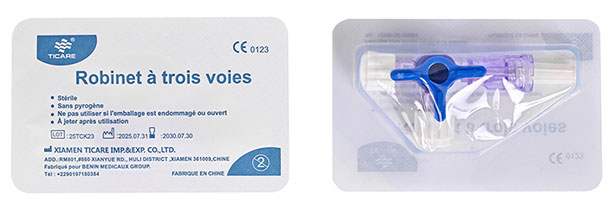
It typically features:
- three connection ports
- a rotating handle
- luer lock connectors
- sterile disposable design
By rotating the valve handle, users can open or close specific ports to direct the flow of fluids.
3-way stopcocks are commonly used with:
- IV cannulas
- infusion sets
- syringes
- extension tubes
The stopcock works by blocking one port while allowing fluid to flow between the other two.
Key principle:
The port that the handle points toward is closed.
This simple mechanism allows clinicians to quickly switch fluid pathways without disconnecting the system.
Example uses include:
- injecting medication
- drawing blood samples
- controlling infusion direction
- connecting multiple IV lines
| Handle Position | Result |
|---|---|
| Handle pointing to port | That port is closed |
| Handle between two ports | Flow occurs between those two lines |
| Handle turned toward syringe port | Blocks syringe port |
Understanding these positions is critical for safe IV therapy management.
Follow these steps when using a 3-way stopcock in IV therapy.
Attach the stopcock to the IV cannula or extension tubing using the luer lock connector.
Connect the syringe, infusion set, or secondary IV line to the remaining ports.
Confirm which port is closed based on the handle direction.
Use sterile saline to flush the tubing and remove air.
Rotate the stopcock handle to control which line is open.
Proper setup ensures accurate fluid delivery and patient safety.
3-way stopcocks are used in a variety of medical procedures.
Allows multiple infusion lines to be managed through a single access point.
Clinicians can inject medication through a syringe without interrupting the IV line.
Blood samples can be drawn through the stopcock without removing the IV catheter.
Stopcocks are often used in invasive blood pressure monitoring systems.
Incorrect stopcock usage may lead to safety risks.
Misunderstanding handle orientation may block the wrong port.
Touching sterile connectors may introduce infection risk.
Improper flushing can allow air bubbles into the system.
Improperly tightened luer locks may cause leaks.
Following proper procedures helps ensure safe clinical use.
Several types of stopcocks are used in medical environments.
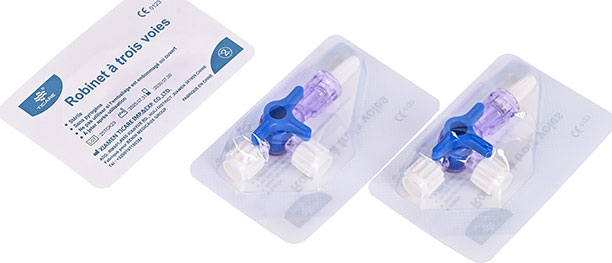
The most common design used for general IV therapy.
Includes tubing for easier connection to IV systems.
Designed for procedures involving higher fluid pressure.
Allow smoother flow control.
Selecting the right type depends on the clinical application.
Typical specifications include:
| Feature | Description |
|---|---|
| Material | Medical-grade polycarbonate |
| Connector type | Luer lock |
| Sterilization | EO sterile |
| Port number | 3 ports |
| Packaging | Individually packed |
These specifications ensure compatibility with standard IV systems used in hospitals.
Healthcare facilities usually consider several factors when selecting medical consumables suppliers:
- sterile packaging
- ISO or CE certification
- reliable supply capacity
- OEM or private label availability
- consistent product quality
Working with a trusted manufacturer helps hospitals maintain safe and reliable medical procedures.
The port that the stopcock handle points toward is closed.
It allows multiple infusion lines, syringes, or monitoring devices to connect to one IV access point.
Most medical stopcocks are designed for single-use and come in sterile packaging.
A 3-way stopcock is a simple but highly effective device used in IV therapy to control fluid direction and connect multiple medical lines. Understanding how the valve works and how to position the handle correctly is essential for safe clinical use.
Because these devices are widely used in hospitals and emergency care settings, choosing reliable, sterile, and high-quality stopcocks is critical for medical supply procurement.

sign up for our newsletter to receive the latest news, exclusive offers, and other discount information.