+86-13950196535, 086-592-5566387
 enquiry@ticarehealth.com
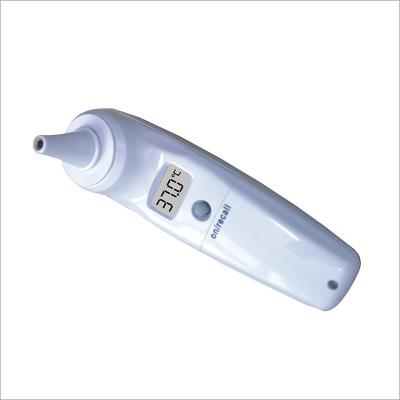
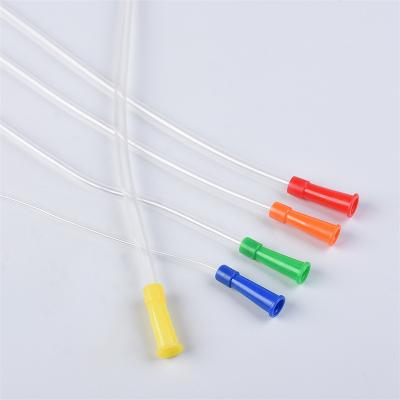
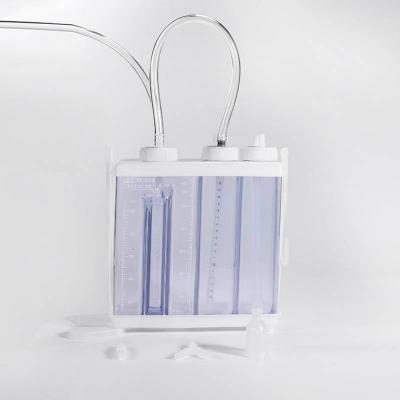
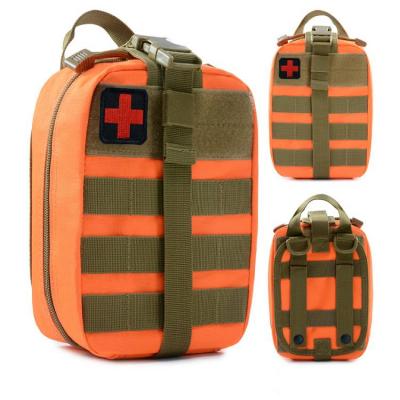
We serve all people who pursue high quality and personal customization for healthy life all over the world .

In today's healthcare and industrial safety markets, supply chain reliability is just as important as product quality. Whether you are a hospital procurement manager, PPE distributor, government supplier, or importer, partnering with the right disposable full face shield manufacturer can help ensure uninterrupted product availability, consistent quality standards, and timely deliveries—even during periods of increased demand. While many buyers focus primarily on pricing, selecting a supplier based solely on cost can expose organizations to production delays, quality inconsistencies, and supply shortages that disrupt operations and damage customer relationships.
A reliable manufacturing partner should offer more than competitive pricing. They should demonstrate strong production capacity, robust quality management systems, regulatory compliance, supply chain resilience, and the ability to scale output when market conditions change. Evaluating these factors before entering a long-term partnership can significantly reduce procurement risks and improve supply continuity.
A manufacturer's production capability is a key factor in determining whether it can support long-term supply agreements. Beyond product quality, buyers should evaluate production infrastructure, capacity, and delivery performance to ensure consistent and reliable supply.
A well-equipped manufacturing facility is often a strong indicator of operational reliability. Evaluate the number of production lines, the level of automation, and the manufacturer's assembly capabilities. Automated processes can improve efficiency, enhance product consistency, and reduce production bottlenecks.
It is also important to review packaging facilities. Manufacturers with dedicated packaging operations can process orders more efficiently and often offer additional services such as private labeling and customized packaging for distributors and OEM customers.
Understanding a supplier's production capacity helps determine whether it can meet both current and future demand. Ask about daily and monthly output levels, as well as the manufacturer's ability to scale production during peak demand periods.
Surge-order capability is particularly important for healthcare procurement and distribution businesses. Manufacturers with flexible production resources and scalable operations are better prepared to respond to urgent orders and unexpected market fluctuations.
Reliable delivery is just as important as production capacity. Review the manufacturer's standard lead times and ask about historical fulfillment rates to assess its ability to deliver orders as promised.
On-time shipment performance is another critical metric. Suppliers with strong logistics management and transparent communication are more likely to maintain consistent deliveries and minimize disruptions. A manufacturer that combines dependable production with reliable delivery performance is typically a stronger long-term supply partner.
Quality systems and regulatory certifications are key indicators of a manufacturer's ability to deliver consistent, compliant, and reliable products. A strong quality framework helps ensure product consistency, reduces procurement risks, and supports long-term supply stability.
ISO 13485 certification demonstrates that a manufacturer follows established quality management practices for medical device production. These systems help maintain process consistency, control production quality, and ensure products meet defined specifications.
Traceability is equally important. Manufacturers should be able to track materials and production batches, allowing for greater transparency and faster resolution of quality issues when necessary.
Buyers should verify that products comply with applicable regulatory requirements in their target markets. This may include CE marking for Europe, FDA registration or listing where applicable, and compliance with relevant EN standards.
A reliable manufacturer should be able to provide supporting documentation, such as test reports, certificates, and declarations of conformity, to demonstrate regulatory compliance.
Effective quality control begins with raw material inspection. PET visors should be checked for clarity and consistency, while headbands should be evaluated for durability and proper fit.
Finished products should undergo final inspections to verify assembly quality and packaging integrity. Many manufacturers also conduct batch testing to ensure consistent performance and quality across production runs, providing buyers with greater confidence in long-term supply reliability.
A manufacturer's ability to maintain a stable supply often depends on the strength of its supply chain. Even manufacturers with strong production capabilities can face disruptions if critical materials become unavailable. Evaluating raw material sourcing strategies and supply chain resilience helps buyers identify suppliers that can consistently fulfill orders under changing market conditions.
Dependence on a single supplier can create significant supply chain vulnerabilities. Reliable manufacturers typically maintain multiple sourcing channels for key components, including PET sheets, foam materials, elastic bands, and packaging materials.
A diversified supplier network reduces the risk of production interruptions caused by material shortages, transportation delays, or supplier-specific issues. It also provides greater flexibility when demand increases unexpectedly, helping manufacturers maintain consistent production and delivery schedules.
Effective inventory management plays a crucial role in supply stability. Manufacturers should maintain appropriate safety stock levels for essential materials to minimize the impact of short-term supply disruptions.
Strong material forecasting and demand planning processes also help ensure that raw materials are available when needed. By accurately anticipating future demand, manufacturers can better manage inventory levels, reduce shortages, and support uninterrupted production.
Supply disruptions can occur unexpectedly, making contingency planning an important part of supplier evaluation. Buyers should assess whether a manufacturer has qualified alternative suppliers for critical materials and established procedures for responding to shortages.
Emergency production scheduling capabilities can help prioritize urgent orders during periods of supply chain stress. In addition, comprehensive business continuity plans demonstrate a manufacturer's commitment to maintaining operations and supporting customers even during unforeseen disruptions.
Manufacturers with resilient supply chains, diversified sourcing strategies, and proactive contingency plans are generally better positioned to provide dependable long-term supply partnerships.
For distributors, importers, and private-label brands, OEM capabilities are an important factor when selecting a long-term manufacturing partner. A supplier that offers flexible customization services can help businesses strengthen brand identity and meet specific market requirements.
Reliable manufacturers should support private-label programs through services such as logo printing, customized packaging, and distributor branding. These capabilities allow businesses to create a consistent brand presence while offering products tailored to their target markets.
Customization options may include anti-fog coatings, different visor thicknesses, and alternative foam configurations to improve comfort and performance. Manufacturers that offer flexible packaging solutions can also better accommodate the needs of distributors, retailers, and healthcare buyers.
Samples and prototypes allow buyers to evaluate custom products before committing to large orders. A responsive manufacturer should provide timely sample support, validate design requirements, and follow a clear approval process to ensure specifications are confirmed before production begins.
Strong OEM capabilities demonstrate a manufacturer's flexibility and ability to support long-term business growth through customized product solutions.
Supplier transparency and communication quality are strong indicators of long-term reliability. Clear visibility into operations, documentation, and support processes helps buyers verify capability, reduce risk, and ensure smoother procurement.
On-site audits allow buyers to directly evaluate production conditions, quality control practices, and overall factory organization. When physical visits are not possible, video inspections and virtual tours provide an effective alternative, offering visibility into production lines and manufacturing workflows.
Reliable suppliers should provide complete documentation, including certificates, test reports, and batch records. These materials confirm compliance with relevant standards and support full traceability from raw materials to finished products, ensuring accountability across the supply chain.
Strong account management ensures efficient communication throughout the procurement process. Fast response times, technical support, and procurement assistance help buyers resolve issues quickly, manage orders effectively, and maintain uninterrupted supply operations. Suppliers with structured communication systems are better positioned to support long-term partnerships.
When a supplier cannot provide verifiable documentation for standards such as ISO 13485, CE compliance, or other relevant certifications, it raises concerns about quality control systems and regulatory adherence. Unverified or outdated certificates may suggest weak internal processes or insufficient oversight, increasing the risk of non-compliant products entering the supply chain.
Vague or inconsistent responses regarding capacity may indicate operational limitations or overextended production resources. Without clear visibility into manufacturing capability, buyers face a higher risk of delays and unmet order commitments, particularly during peak demand periods.
Suppliers with repeated shipment delays may struggle with production planning, inventory management, or logistics coordination. Frequent delays not only disrupt procurement schedules but also increase the risk of stock shortages for distributors and end users.
Suppliers that provide delayed, incomplete, or unclear responses may lack structured account management systems. Limited transparency can make it difficult to track order progress, address production issues, or respond quickly to urgent procurement needs.
Over-reliance on a single source for key materials such as PET sheets, foam components, or elastic bands introduces significant supply chain risk. If that supplier experiences shortages or disruptions, production can be immediately impacted. Manufacturers with diversified sourcing strategies are generally more resilient and better equipped to maintain continuous output.
Recognizing these warning signs early allows buyers to avoid unstable suppliers.
Selecting a reliable disposable full face shield manufacturer requires a structured and comprehensive evaluation process. Buyers who assess production capacity, quality management systems, regulatory certifications, supply chain resilience, and communication transparency are significantly better positioned to secure long-term supply stability and avoid procurement disruptions.
Manufacturing capacity determines whether a supplier can consistently meet volume requirements, while strong quality systems ensure product consistency across every production batch. Verified certifications provide assurance of compliance with international standards, reducing regulatory and operational risk. At the same time, a resilient supply chain safeguards production continuity even during material shortages or market fluctuations. Transparent communication further strengthens the partnership by ensuring clear visibility across orders, timelines, and production status.
When these factors are evaluated together, procurement teams can make informed decisions that go beyond price considerations and focus on long-term reliability. A systematic approach to supplier selection ultimately reduces risk, improves operational efficiency, and ensures uninterrupted access to essential PPE supplies.
Reinforce that evaluating manufacturers systematically reduces procurement risk and ensures uninterrupted PPE supply.
Partner with an experienced disposable full face shield manufacturer that prioritizes quality, compliance, and supply continuity.

Author: Kelly Jojo
Final Review: Ticare Medical Team
Contact: +86-13950196535, 086-592-5566387
Email: enquiry@ticarehealth.com

sign up for our newsletter to receive the latest news, exclusive offers, and other discount information.