0086-592-5566387
 enquiry@ticarehealth.com
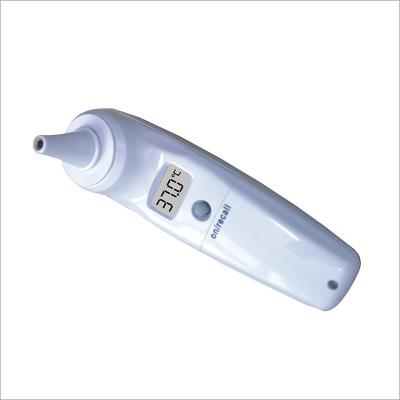
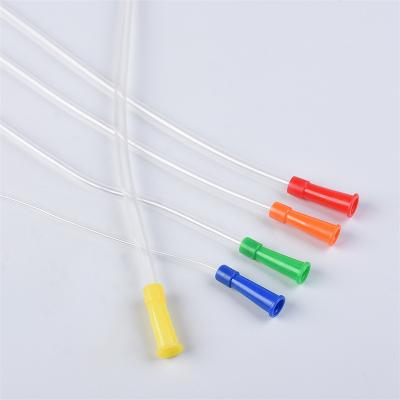
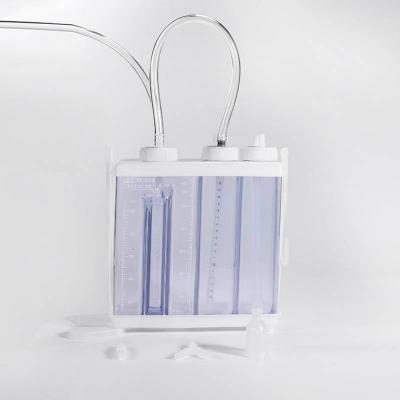
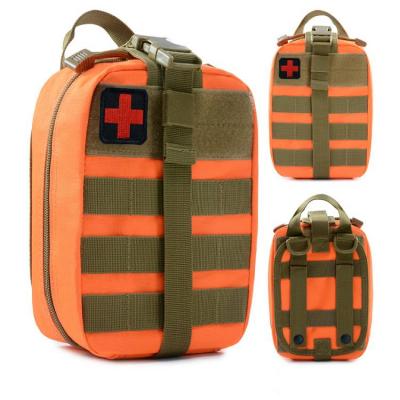
We serve all people who pursue high quality and personal customization for healthy life all over the world .

In March 2026, global ocean freight costs have risen sharply, creating new challenges for hospitals, distributors, and procurement organizations sourcing medical consumables internationally.
For many buyers, the impact is immediate—but the deeper issue is more strategic:
Rising shipping costs are no longer just a logistics concern.
They are directly reshaping procurement decisions, profit margins, and supplier selection criteria.
This article examines how freight cost increases are affecting B2B buyers and outlines practical, actionable strategies to manage risk and maintain competitiveness.
Medical consumables such as syringes, infusion sets, oxygen masks, and surgical tape are typically:
- high-volume
- low unit value
- price-sensitive
This makes them especially vulnerable to freight increases.
| Cost Component | Before | After |
|---|---|---|
| Product Cost | Stable | Stable |
| Ocean Freight | Low | Significantly Higher |
| Landed Cost | Predictable | Increased |
| Selling Price | Fixed | Difficult to Adjust |
| Profit Margin | Healthy | Compressed |
→ In many cases, buyers cannot immediately pass increased costs to customers, resulting in direct profit reduction.
Rising shipping costs are forcing buyers to rethink core procurement strategies.
Challenge:
End customers—especially hospitals—often resist price adjustments.
Risk:
- Losing tenders or contracts
- Weakening long-term relationships
→ Many buyers are absorbing freight increases, reducing margins.
Challenge:
Smaller orders reduce cash flow pressure.
Risk:
- higher per-unit shipping cost
- more frequent shipments
- increased total logistics expense
→ This creates a cost inefficiency trap.
Challenge:
Offset freight increases with cheaper products.
Risk:
- inconsistent quality
- compliance issues
- unreliable supply
→ This is a high-risk, short-term solution.
Challenge:
Buying in advance may avoid future cost increases.
Risk:
- capital tied up in stock
- storage cost increase
- demand uncertainty
Challenge:
Buyers attempt to control logistics costs directly.
Risk:
- lack of freight negotiation power
- limited market visibility
- exposure to volatility
Freight increases are not just about higher costs—they introduce broader operational risks.
Unstable shipping schedules can lead to delays and stock shortages.
Freight volatility makes cost forecasting difficult.
Fixed-price agreements limit the ability to adjust pricing.
Competitors with stronger supply chains may offer better pricing or availability.
To adapt to the new logistics environment, leading buyers are shifting from reactive to strategic procurement.
Evaluate:
- product price
- freight cost
- delivery reliability
→ The lowest product price does not guarantee the lowest overall cost.
- combine multiple SKUs into full containers
- reduce unused container space
- lower per-unit freight cost
→ This is one of the most effective cost control methods.
Balance:
- safety stock for critical products
- flexible ordering for non-critical items
→ Reduces both stockout risk and overstock pressure.
Strong partnerships enable:
- better pricing stability
- priority production
- coordinated logistics planning
Instead of fixed pricing, consider:
- freight-adjusted pricing mechanisms
- long-term agreements with defined cost structures
→ This helps share risk between buyer and supplier.
In a high-cost logistics environment, supplier capability becomes a key differentiator.
Buyers should prioritize suppliers who can provide:
- container consolidation
- efficient packaging
- stable shipping arrangements
- predictable lead times
- shipment scheduling support
- freight trend updates
- early warning of delays
- partial shipments
- adjustable order quantities
At Xiamen Ticare Import and Export Co., Ltd., we understand that rising freight costs require more than price adjustments—they require supply chain solutions.
We support our partners through:
Optimizing container utilization to reduce per-unit freight cost.
Strong partnerships with manufacturers and logistics providers.
Helping buyers manage inventory and cash flow efficiently.
Providing timely updates on shipping conditions and lead times.
Our product portfolio includes:
- syringes and infusion consumables
- respiratory and anesthesia products
- wound care and surgical supplies
- first aid kits and emergency products
In 2026, procurement is no longer just about finding the lowest price.
It is about:
- managing uncertainty
- protecting margins
- ensuring supply continuity
The most competitive buyers are not those who buy cheapest—
but those who build resilient, cost-efficient supply chains.
If your organization is facing rising freight costs and supply chain challenges, TICARE is ready to support your long-term success.
- optimize your procurement strategy
- request product samples
- receive customized quotations
- explore stable supply partnerships

sign up for our newsletter to receive the latest news, exclusive offers, and other discount information.