+86-13950196535, 086-592-5566387
 enquiry@ticarehealth.com




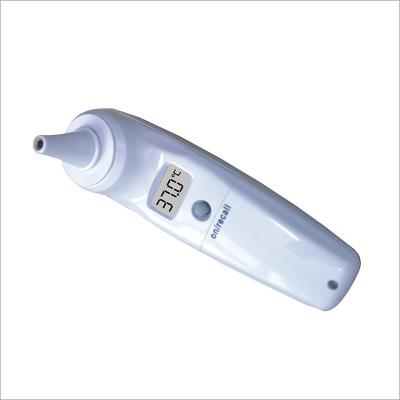
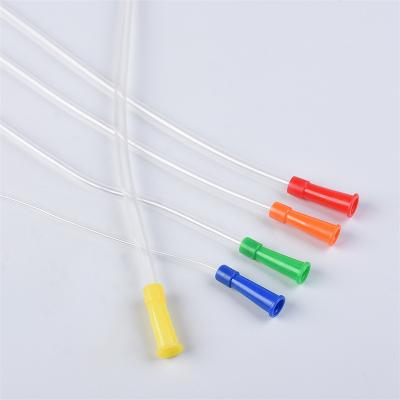
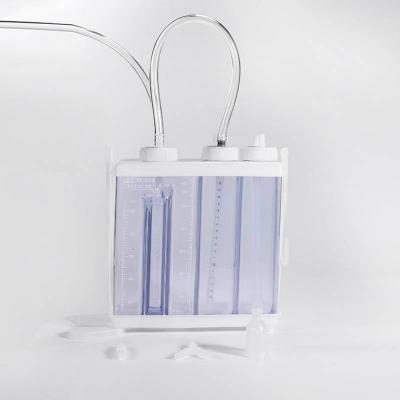
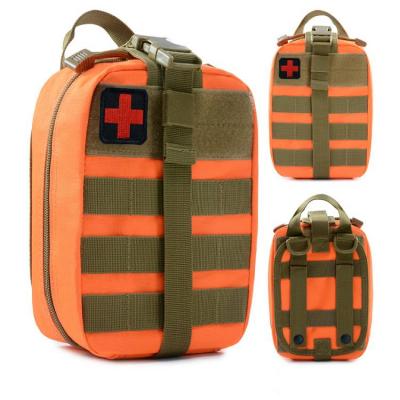

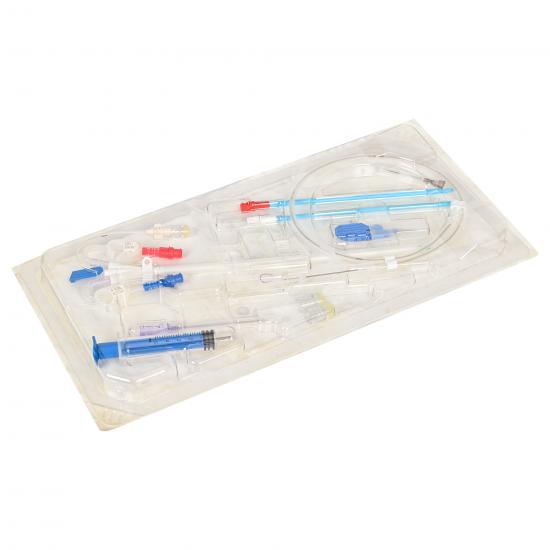
A Hemodialysis Catheter Kit is designed for use in dialysis procedures, where blood is removed from the body, filtered, and then returned to the bloodstream. These kits are essential for patients with kidney failure who need hemodialysis treatment. Catheters in these kits come in single, double, or triple lumen configurations, depending on the clinical needs. Below is a breakdown of these kits, their components, and their use:
1. Single/Double/Triple Lumen Catheters:
- Single Lumen: Typically used for temporary or emergency dialysis access.
- Double Lumen: The most common type used for hemodialysis. It has two separate channels—one for drawing blood out and the other for returning filtered blood to the body.
- Triple Lumen: In addition to the two lumens for hemodialysis, the third lumen can be used for medication administration or other treatments simultaneously.
Product Overview:
- Type: Hemodialysis Catheter Kit
-
Lumen Configurations:
- Single Lumen
- Double Lumen
- Triple Lumen
- Usage: For dialysis, infusion of medications, or fluid administration
Catheter Placement:
- Central Venous Access: These catheters are typically inserted into large central veins such as the jugular, subclavian, or femoral vein to facilitate direct access to the bloodstream.
Components of the Kit:
A Hemodialysis Catheter Kit generally includes:
-
Catheter:
- Made from biocompatible materials, such as silicone or polyurethane.
- Varying lengths to accommodate different insertion sites (e.g., jugular vs. femoral).
-
Guidewire:
- Used to guide the catheter into the proper position within the vein during insertion.
-
Dilator:
- Helps widen the vein to facilitate catheter placement.
-
Introducer Needle:
- Used to puncture the vein and allow for catheter insertion over the guidewire.
-
Suture Wings:
- Anchoring devices that help secure the catheter to the skin, preventing movement or dislodgement.
-
Sterile Dressing:
- Applied after catheter insertion to keep the site clean and reduce the risk of infection.
-
Clamps and Caps:
- These are used to close off the catheter lumens when not in use, preventing air embolism or blood leakage.
-
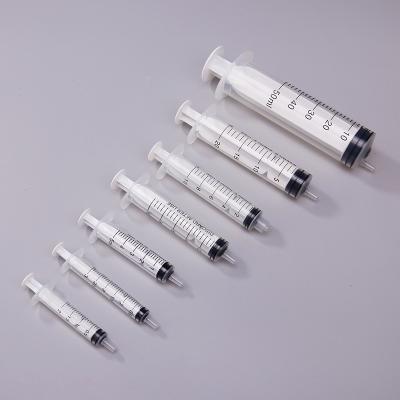
Syringes and Saline:
- Often included for flushing the catheter to ensure patency after insertion.
-
Antimicrobial/Anticoagulant Solutions (optional):
- Some kits include pre-filled syringes with solutions to prevent clotting or infection in the catheter.
Features:
-
Multiple Lumen Options:
- Double and triple lumen catheters allow simultaneous treatment (dialysis) and medication or nutrition administration.
-
Radiopaque Materials:
- Catheters are often made from radiopaque materials, allowing for visualization under X-ray or fluoroscopy to ensure proper placement.
-
Soft, Flexible Materials:
- Catheters are designed to reduce trauma to the vein and improve patient comfort.
-
Sterile and Pre-Assembled:
- The entire kit is sterile and ready for immediate use to minimize the risk of infection.
Applications:
-
Hemodialysis:
- Primary use is for patients with acute or chronic kidney failure who require dialysis. Double and triple lumen catheters allow for efficient blood filtration during treatment.
-
Plasmapheresis:
- Can also be used in procedures like plasmapheresis, where plasma is separated and removed from the blood.
-
Medication Administration:
- Triple lumen catheters allow medications, fluids, or parenteral nutrition to be administered while the patient is undergoing dialysis.
Benefits:
-
Efficient Dialysis Access:
- Double and triple lumen designs allow simultaneous blood withdrawal and return, improving dialysis efficiency.
-
Versatility:
- Triple lumen catheters can perform multiple functions, reducing the need for additional vascular access devices.
-
Reduced Infection Risk:
- Kits are designed for sterile insertion, reducing the risk of catheter-related bloodstream infections.
Insertion and Usage:
-
Preparation:
- The insertion site is cleaned and prepared using sterile techniques.
-
Catheter Placement:
- The catheter is inserted through a central vein, typically using the Seldinger technique, where a guidewire is inserted through a needle and the catheter is passed over the guidewire into the vein.
-
Flushing:
- Once placed, the lumens are flushed with saline or anticoagulant to ensure the catheter is functioning correctly.
-
Maintenance:
- Regular flushing with heparin or saline may be required to prevent clotting in the catheter. Catheters are also checked for patency before each use.
Considerations:
-
Temporary vs. Permanent Access:
- Hemodialysis catheters are often temporary and may need to be replaced by permanent access like an AV fistula for long-term dialysis.
-
Infection Control:
- Proper care and maintenance are critical to prevent infections, which are a common complication with central venous catheters.
If you need further details on specific catheter models or guidance on usage, feel free to ask!