0086-592-5566387
 enquiry@ticarehealth.com
We serve all people who pursue high quality and personal customization for healthy life all over the world .

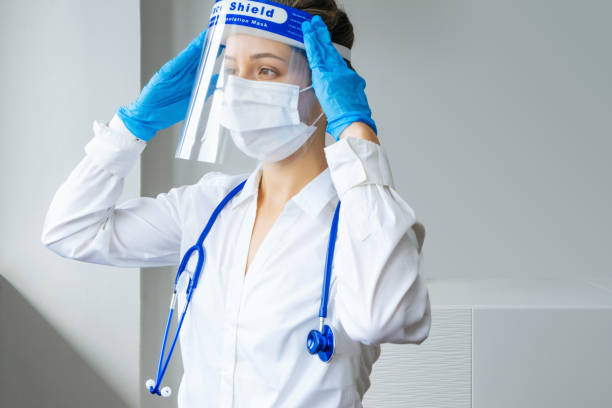
Medical face shields have become an essential component of personal protective equipment (PPE) in healthcare settings. Designed to provide a transparent barrier that helps protect the wearer's face from splashes, sprays, and droplets, they are widely used alongside masks, gloves, gowns, and other protective equipment to support infection prevention protocols.
Although often associated with emergency situations or infectious disease outbreaks, medical face shields play an important role in everyday clinical practice. From emergency departments and operating rooms to outpatient clinics and dental practices, healthcare professionals rely on face shields during procedures that may expose them to blood, bodily fluids, or other potentially hazardous materials.
However, not all healthcare facilities use medical face shields in the same way. Different clinical environments present different risks, requiring procurement teams to evaluate product design, comfort, compatibility, and quality before selecting a supplier.
Medical face shields provide an additional layer of facial protection by covering the eyes, nose, and mouth with a clear visor. They are commonly used together with other PPE rather than as standalone protective equipment.
Compared with safety glasses or goggles, full face shields offer a larger protective coverage area while allowing healthcare workers to maintain a wide field of vision. Many disposable designs also reduce cleaning requirements between users, making them suitable for environments where rapid turnover and infection control are priorities.
Healthcare facilities typically incorporate medical face shields into broader PPE protocols to:
- Reduce exposure to splashes and droplets
- Protect facial mucous membranes during patient care
- Improve workplace safety during high-risk procedures
- Support infection prevention strategies
- Enhance comfort during extended clinical use when designed ergonomically
Emergency departments frequently treat patients before their infectious status is fully understood. Healthcare professionals may be exposed to blood, respiratory secretions, or other bodily fluids during emergency interventions.
Disposable full face shields help provide facial protection during:
- Trauma care
- Emergency intubation
- Wound irrigation
- Airway management
- Patient transport
Because emergency departments operate under time-sensitive conditions, procurement teams often prioritize products that are lightweight, comfortable, and easy to don quickly.
Although surgical masks provide respiratory protection, many procedures also create splashes that may reach the eyes or other facial areas.
Medical face shields are commonly used during:
- Orthopedic surgery
- General surgery
- Obstetric procedures
- Cardiovascular surgery
- Endoscopic procedures
In these environments, optical clarity and anti-fog performance become important procurement considerations, as reduced visibility may interfere with clinical precision.
ICU staff frequently care for critically ill patients requiring respiratory support and invasive procedures.
Common situations where face shields may be used include:
- Airway suctioning
- Mechanical ventilation management
- Bronchoscopy assistance
- Aerosol-generating procedures
- Central line placement
Because healthcare professionals often wear PPE for extended periods, procurement teams may evaluate products based on comfort, forehead cushioning, and compatibility with respirators or prescription eyewear.
Face shields are also used in outpatient settings where procedures involve close patient interaction or potential exposure to bodily fluids.
Examples include:
- Minor surgical procedures
- Wound treatment
- ENT examinations
- Dermatology procedures
- Vaccination clinics
Disposable products can simplify inventory management while supporting infection prevention protocols across multiple examination rooms.
Dental professionals routinely work within close proximity to patients while using equipment that may generate splashes and aerosols.
Medical face shields are commonly incorporated into PPE protocols during:
- Dental cleanings
- Restorative procedures
- Oral surgery
- Endodontic treatment
- Ultrasonic scaling
Comfort, visibility, and compatibility with magnification loupes or protective eyewear are particularly important in dental settings.
Laboratory technicians and diagnostic personnel may require facial protection when handling biological specimens or conducting procedures with splash risks.
Applications include:
- Specimen processing
- Blood collection
- Pathology laboratories
- Clinical laboratories
- Research facilities
Procurement teams serving laboratory environments often prioritize products that balance protection with comfort during repetitive daily tasks.
Selecting a medical face shield involves more than identifying a product that meets basic functional requirements. Procurement teams should evaluate whether the product aligns with the healthcare facility's operational, regulatory, and supply chain needs.
Important considerations include:
Verify that products are supported by appropriate documentation for the intended market, including applicable quality and regulatory certifications.
Clear visibility is essential for clinical accuracy. Evaluate visor transparency, anti-fog properties, and distortion resistance.
Lightweight construction, secure headbands, and ergonomic design can improve user comfort during prolonged wear.
Medical face shields should integrate effectively with masks, respirators, protective eyewear, and surgical caps without interfering with clinical performance.
For ongoing procurement programs, consistent product quality across production batches is as important as initial product performance.
Healthcare organizations should consider whether the supplier has sufficient manufacturing capacity, quality management systems, and logistics capabilities to support long-term procurement requirements.
Two medical face shields may appear nearly identical during an initial evaluation, yet differ significantly in manufacturing quality, documentation, production consistency, and long-term supply capability.
For this reason, procurement teams increasingly evaluate suppliers—not just products.
A reliable supplier should be able to demonstrate:
- Consistent manufacturing quality
- Documented quality management processes
- Scalable production capacity
- Experience supporting international healthcare procurement
- OEM and private-label capabilities when required
These factors become especially important for hospitals, medical distributors, and government agencies that require dependable supply over multiple procurement cycles.
Medical face shields continue to play an important role in protecting healthcare professionals across hospitals, clinics, laboratories, and other medical environments. While applications vary according to clinical setting, the underlying procurement objective remains the same: selecting products that combine protection, comfort, and consistent quality.
As healthcare organizations strengthen their procurement strategies, supplier evaluation becomes just as important as product evaluation. Understanding how face shields are used in different clinical environments helps procurement teams define product requirements, while assessing manufacturing capability and quality systems helps ensure long-term supply reliability.
Healthcare buyers seeking to optimize PPE procurement should evaluate both the product and the supplier before making purchasing decisions.

sign up for our newsletter to receive the latest news, exclusive offers, and other discount information.