+86-13950196535, 086-592-5566387
 enquiry@ticarehealth.com

We serve all people who pursue high quality and personal customization for healthy life all over the world .

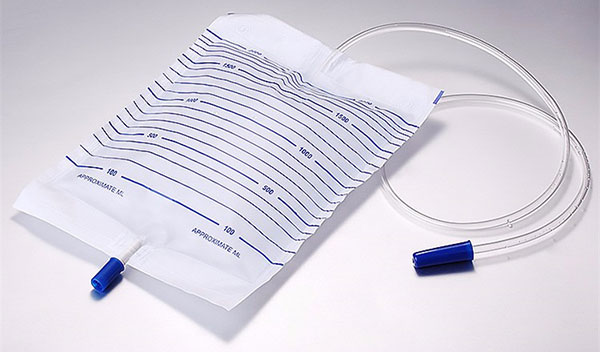
Urinary management is an essential part of patient care in hospitals, clinics, long-term care facilities, and home healthcare environments. When patients cannot empty their bladder naturally, healthcare professionals often use catheter-based solutions to provide continuous urine drainage and support accurate monitoring.
A key component of this process is the urine drainage bag, a medical device designed to collect urine that flows through a urinary catheter. Also known as a urinary drainage bag, urine collection bag, or catheter drainage bag, this device provides a safe and controlled method for collecting, measuring, and managing urine output.
For healthcare buyers, understanding what is a urine drainage bag is important when evaluating medical supply options. A urine drainage bag is not simply a container for urine collection. It is part of a complete urinary drainage system designed to maintain a closed pathway, support infection prevention practices, and provide reliable clinical performance.
Modern healthcare facilities commonly use disposable urine drainage bags as part of a closed urinary drainage system. These systems are designed to minimize unnecessary disconnections between the catheter and collection bag, helping maintain system integrity during patient care.
When selecting urinary drainage products, hospitals and medical organizations typically consider factors such as:
- Product design and clinical usability
- Sterility and packaging integrity
- Material quality
- Catheter compatibility
- Anti-reflux protection
- Drainage performance
- Manufacturing consistency
This guide explains the urine drainage bag definition, clinical purpose, operating principles, components, product types, common features, and procurement considerations to help healthcare buyers better understand this important medical device category.
A urine drainage bag is a medical collection device used to collect and store urine drained from the bladder through a urinary catheter.
In a typical urinary drainage system, urine flows from the bladder through a catheter, passes through drainage tubing, and enters the collection bag. The bag provides temporary storage until urine is measured, monitored, or emptied according to clinical procedures.
In simple terms, a urine drainage bag functions as the collection component of a catheter-based urine management system.
A complete urine collection system usually includes:
- A urinary catheter inserted into the bladder
- A drainage tube connecting the catheter to the bag
- A collection chamber for storing urine
- Supporting components such as drainage valves, sampling ports, and anti-reflux mechanisms
A urine collection bag definition can therefore be summarized as:
A sterile medical device designed to collect urine from a catheterized patient while supporting controlled drainage, monitoring, and hygienic management.
Unlike ordinary collection containers, medical urine drainage bags are specifically designed for healthcare applications. They are manufactured using medical-grade materials and are typically supplied as sterile urine drainage bags intended for single-patient use.
Key design objectives include:
- Maintaining a closed drainage pathway
- Preventing urine backflow
- Allowing accurate urine measurement
- Supporting efficient clinical workflows
- Reducing contamination risks
For patients requiring temporary or long-term catheterization, the urine drainage bag plays an important role in safe urinary management.
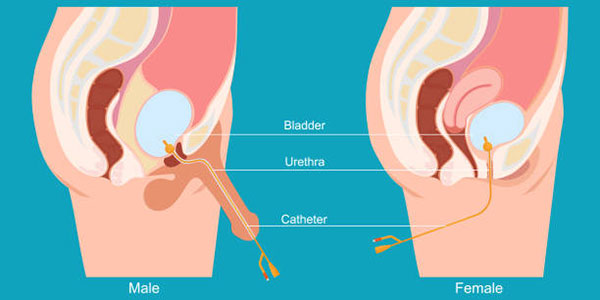
The main clinical purpose of a urine drainage bag is to collect and manage urine when normal bladder emptying is impaired.
Healthcare providers use urinary drainage bags in a wide range of medical situations where continuous bladder drainage or urine monitoring is required.
One of the most important clinical functions of a urine drainage bag is accurate urine output measurement.
Urine output provides valuable information about:
- Kidney function
- Fluid balance
- Treatment response
- Recovery progress
- Overall patient condition
In critical care and postoperative environments, healthcare professionals frequently monitor urine volume as part of routine patient assessment.
A bedside urine drainage bag allows medical staff to observe urine output without repeatedly interrupting the catheter system.
Some patients cannot empty their bladder independently because of medical conditions, surgery, neurological disorders, or limited mobility.
Common situations requiring catheter drainage include:
- Postoperative recovery
- Urinary retention
- Neurological disorders affecting bladder function
- Severe illness requiring monitoring
- Extended periods of immobility
A catheter drainage bag provides continuous urine collection while helping prevent bladder overdistension.
A closed urinary drainage system is designed to maintain a sealed pathway from the bladder to the collection bag.
Maintaining this closed pathway helps reduce unnecessary exposure and supports catheter care protocols.
Typical closed systems include:
- Secure catheter connections
- Integrated drainage tubing
- Anti-reflux mechanisms
- Controlled drainage outlets
Healthcare facilities commonly evaluate closed-system performance because maintaining system integrity is an important consideration in urinary catheter management.
Different patient conditions require different urine drainage solutions.
For example:
- Bedridden patients may require larger bedside urine drainage bags.
- Mobile patients may benefit from smaller leg drainage bags.
Product selection depends on:
- Patient mobility
- Duration of catheter use
- Care environment
- Monitoring requirements
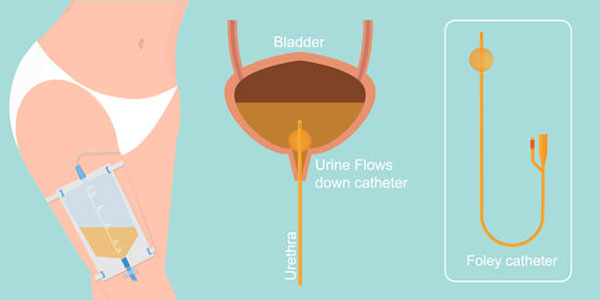
A urine drainage bag works through gravity-assisted drainage. Urine moves from the bladder through a catheter and drainage tubing into the collection bag.
The process involves several stages.
A healthcare professional inserts a urinary catheter into the bladder.
For many continuous drainage applications, a Foley catheter is commonly used. A Foley catheter contains a retention balloon that helps keep the catheter positioned inside the bladder.
The catheter creates the pathway for urine to leave the bladder.
The catheter is connected to the urine drainage bag through drainage tubing.
The complete pathway is:
Bladder → Foley Catheter → Drainage Tube → Urine Drainage Bag
This connection creates a continuous urine collection system.
Urine flows naturally from the bladder into the collection bag because of gravity and pressure differences.
To support proper drainage:
- The bag should remain below bladder level.
- Tubing should remain free from kinks.
- Connections should remain secure.
Correct positioning helps maintain continuous drainage and reduces the risk of backflow.
Inside the collection chamber, urine is stored until it is measured or emptied.
Many medical drainage bags include:
- Graduated measurement markings
- Transparent materials
- Sampling ports
- Drainage valves
These features help healthcare providers monitor patient status efficiently.
When the bag reaches an appropriate volume, healthcare professionals empty it using the drainage valve.
A well-designed drainage outlet helps:
- Reduce leakage
- Improve handling efficiency
- Support infection control practices
A urine drainage bag consists of several components designed to support safe and efficient urine collection.
The collection chamber stores urine after drainage.
Important considerations include:
- Capacity
- Material strength
- Visibility
- Measurement accuracy
The drainage tube connects the catheter to the collection bag.
A quality drainage tube should provide:
- Flexibility
- Kink resistance
- Smooth urine flow
- Secure connection
The connector attaches the drainage bag to the urinary catheter.
A secure connector helps maintain a closed system and reduce accidental disconnection.
The anti-reflux valve helps prevent urine from flowing backward toward the bladder.
This feature supports:
- One-way urine flow
- System integrity
- Infection prevention practices
The drainage valve allows controlled emptying of collected urine without disconnecting the system.
Some drainage bags include sampling ports that allow urine collection for testing while maintaining system closure.
Bedside drainage bags often include hooks or hangers for attachment to hospital beds or stands.
Different healthcare environments require different urine drainage solutions.
A bedside urine drainage bag is designed for patients who remain in bed.
Common applications include:
- Hospitals
- ICUs
- Surgical wards
Features typically include:
- Larger capacity
- Measurement markings
- Bed attachment options
- Drainage valves
A leg bag is a smaller drainage solution designed for mobile patients.
Advantages include:
- Compact size
- Portability
- Improved mobility support
Leg bags are commonly used in:
- Home healthcare
- Rehabilitation
- Long-term catheter management
Pediatric drainage bags are designed for children and infants.
They consider:
- Smaller urine volumes
- Patient comfort
- Pediatric care requirements
Disposable urine drainage bags are widely used in healthcare because they support:
- Single-patient use
- Infection prevention practices
- Efficient clinical workflows
A sterile urine drainage bag is packaged to maintain sterility until use.
Healthcare buyers commonly review:
- Sterilization method
- Packaging quality
- Shelf life
- Traceability
A Foley bag is a drainage bag designed for connection with a Foley catheter.
A Foley catheter drainage bag system typically includes:
- Foley-compatible connector
- Drainage tubing
- Collection chamber
- Anti-reflux protection
Important product features include:
Helps prevent urine backflow toward the bladder.
Supports accurate urine output monitoring.
Provides reliable performance during handling and transport.
Allows controlled emptying.
Supports patient comfort and continuous drainage.
Protects product integrity before use.
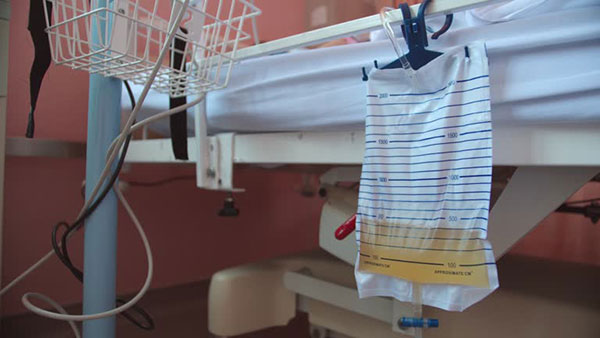
Urine drainage bags are commonly used in:
For surgical patients, hospitalized patients, and individuals requiring continuous drainage.
For accurate urine output monitoring.
For temporary bladder management after procedures.
For patients requiring extended catheter management.
For patients continuing catheter care after discharge.
For patients recovering mobility or bladder function.
Healthcare buyers typically evaluate products based on several criteria.
Buyers assess:
- Capacity options
- Connection compatibility
- Drainage performance
- User convenience
Important considerations include:
- Medical-grade materials
- Durability
- Leakage resistance
- Manufacturing consistency
Procurement teams review:
- Sterile packaging
- Sterilization validation
- Expiration information
- Product traceability
Healthcare organizations often require:
- Product documentation
- Quality system information
- Technical specifications
- Compliance records
From a supplier evaluation perspective, buyers consider:
- Production capacity
- Quality control procedures
- Inspection processes
- Delivery reliability
TICARE applies medical device manufacturing expertise to support consistent product quality, reliable production processes, and healthcare application requirements.
A urine drainage bag is a medical device used to collect urine from a patient through a urinary catheter.
A Foley bag is a type of urine drainage bag designed specifically for use with a Foley catheter.
Many drainage bags include anti-reflux valves that help prevent collected urine from flowing back toward the bladder.
Replacement depends on healthcare protocols, product instructions, and patient requirements. Disposable products are generally intended for single-patient use.
Yes. Certain drainage bag designs are suitable for home healthcare when catheter drainage is required.
Hospitals should evaluate:
- Clinical suitability
- Product quality
- Sterility
- Compatibility
- Documentation
- Manufacturing reliability
A urine drainage bag is an essential component of modern urinary care, providing safe urine collection for patients who require catheter-based bladder drainage.
Understanding what is a urine drainage bag helps healthcare professionals and procurement teams make informed decisions when selecting medical devices.
Key considerations include:
- The role of urine drainage bags within a urinary drainage system
- The importance of closed urinary drainage system design
- Different product types for different patient needs
- Features such as anti-reflux protection and measurement scales
- Manufacturing quality and procurement requirements
For hospitals, clinics, and healthcare organizations, selecting the right urine collection system requires balancing clinical performance, safety, and reliability.
Explore TICARE’s complete range of urinary drainage solutions designed for healthcare applications.
View the complete urine drainage bag product family.
For detailed specifications, product configurations, and application requirements:

sign up for our newsletter to receive the latest news, exclusive offers, and other discount information.