0086-592-5566387
 enquiry@ticarehealth.com
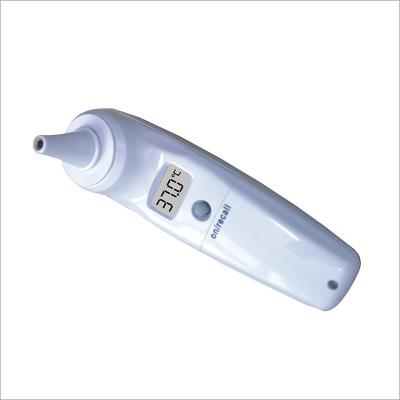
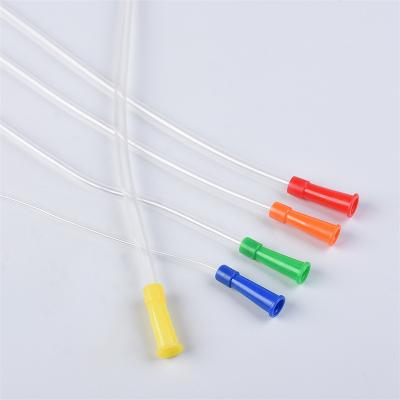
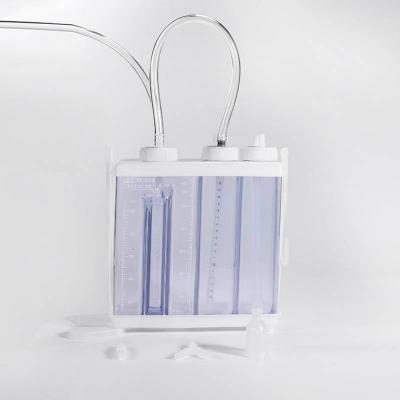
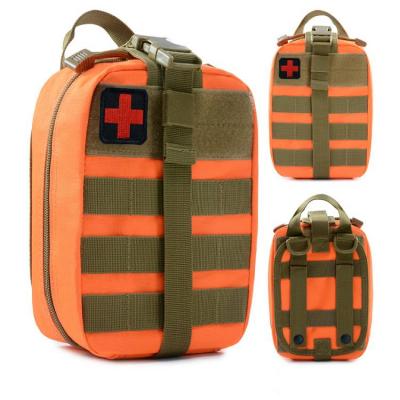
We serve all people who pursue high quality and personal customization for healthy life all over the world .

In 2026, hospital procurement teams and medical distributors are operating in a significantly more complex environment than ever before. Rising raw material costs, global supply chain uncertainty, and evolving regulatory requirements are reshaping how medical consumables are sourced and managed.
For buyers, the challenge is no longer just securing the lowest price. Instead, the focus has shifted toward balancing cost control, supply stability, and product reliability.
This article provides a practical, buyer-focused analysis of current market conditions—and outlines how healthcare organizations can make smarter procurement decisions in a volatile global environment.
Many buyers initially view price increases as short-term fluctuations. However, in 2026, cost pressure in medical consumables is becoming more structural and long-term.
1. Oil-driven raw material inflation
Most disposable medical products rely on petroleum-based materials such as polypropylene (PP), polyethylene (PE), and PVC. As global energy markets fluctuate, these materials become more expensive.
2. Manufacturing cost increases
Medical-grade production requires:
- cleanroom environments
- sterilization processes
- strict compliance systems
Rising energy and labor costs are increasing the baseline cost of production.
3. Logistics and freight volatility
Shipping costs remain unstable due to:
- fuel price fluctuations
- port congestion
- global trade uncertainties
Price increases are not isolated events—they are part of a broader shift in the global supply chain. Procurement strategies must evolve accordingly.
Experienced procurement professionals understand that price is only one dimension of risk.
In 2026, buyers are increasingly focused on three critical concerns:
Shortages of essential consumables—such as syringes, infusion sets, or respiratory products—can directly impact clinical operations.
Relying on a single supplier or region increases vulnerability.
Frequent price adjustments make it difficult for hospitals and distributors to:
- plan budgets
- maintain stable margins
- manage long-term contracts
Switching suppliers purely for cost reasons can lead to:
- inconsistent product quality
- regulatory compliance issues
- increased clinical risk
The lowest-cost supplier is not always the lowest-risk supplier.
To manage these challenges, leading hospitals and distributors are shifting toward strategic procurement models.
Instead of transactional purchasing, buyers are building long-term relationships with reliable suppliers.
Benefits include:
- more stable pricing
- priority production allocation
- better communication during disruptions
Buyers are reducing dependence on a single supplier by:
- sourcing from multiple regions
- qualifying backup suppliers
- maintaining supply redundancy
Forward planning helps buyers:
- avoid emergency purchasing at higher prices
- reduce stockouts
- improve cost predictability
Standardizing commonly used consumables (e.g., syringes, surgical tape, IV sets) allows:
- bulk purchasing advantages
- simplified inventory management
- stronger negotiation power
In today’s market, supplier selection is a strategic decision, not just a pricing comparison.
Buyers should evaluate suppliers based on the following:
- Does the supplier have multiple raw material sources?
- Can they maintain production during disruptions?
- Can they handle large or urgent orders?
- Do they have scalable manufacturing capability?
- ISO certification
- CE/FDA compliance
- batch traceability
- Do they explain cost changes clearly?
- Are they willing to offer structured pricing agreements?
- Export experience
- stable shipping arrangements
- ability to manage international delivery risks
Choose suppliers who act as long-term partners, not just product vendors.
Reliable suppliers are not waiting for the market to stabilize—they are actively helping buyers reduce risk.
The most competitive suppliers now offer:
Through long-term manufacturing arrangements and capacity planning, suppliers ensure consistent output.
Reducing dependence on a single source helps mitigate price shocks and shortages.
- staggered shipments
- flexible MOQs
- safety stock support
Keeping buyers informed about:
- raw material trends
- lead time changes
- pricing outlook
At Xiamen Ticare Import and Export Co., Ltd., we recognize that today’s buyers need more than just competitive pricing—they need supply security and reliability.
To support our global partners, we focus on:
- long-term cooperation with qualified manufacturers
- diversified sourcing strategies
- consistent production capacity
- transparent pricing communication
- optimized procurement solutions
- support for bulk and long-term orders
- strict quality control systems
- internationally compliant products
- reliable product consistency
- strong export experience
- efficient logistics coordination
- timely delivery to international markets
Our product range includes:
- syringes and infusion consumables
- respiratory and anesthesia products
- wound care and surgical supplies
- first aid kits and emergency products
- hospital disposable medical devices
The medical consumables market in 2026 is defined by uncertainty—but also opportunity.
Buyers who adapt their procurement strategies by:
- focusing on long-term partnerships
- prioritizing supply chain reliability
- planning proactively
will be better positioned to manage both cost and risk.
If your organization is seeking a stable and experienced medical consumables supplier, TICARE is ready to support your procurement needs.
Contact us today to:

sign up for our newsletter to receive the latest news, exclusive offers, and other discount information.