0086-592-5566387
 enquiry@ticarehealth.com
We serve all people who pursue high quality and personal customization for healthy life all over the world .
Categories
Latest blog
Tags
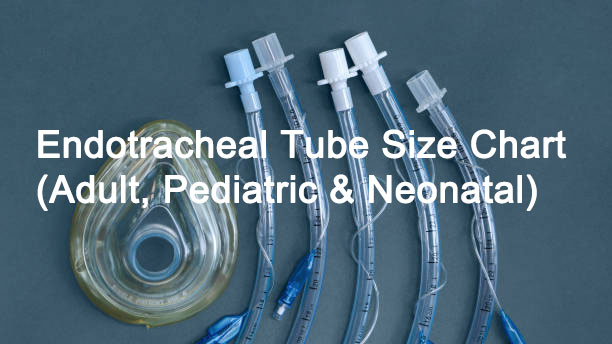
Endotracheal Tube Size Chart (Adult, Pediatric & Neonatal)
Selecting the correct endotracheal tube (ETT) size is critical for safe airway management during anesthesia, emergency intubation, and intensive care.
This guide provides:
Need a quick reference? The tables below summarize recommended endotracheal tube sizes for adults, children, and neonates. Tube selection should always be based on patient characteristics, clinical judgment, and institutional protocols.
- Adult ETT size chart
- Pediatric ETT formula
- Neonatal tube size reference
- Cuffed vs uncuffed comparison
- Intubation depth guidelines
- Bulk supply specifications for hospitals and distributors
| Patient Type | Recommended Internal Diameter (ID) |
|---|---|
| Adult Female | 7.0 – 7.5 mm |
| Adult Male | 8.0 – 8.5 mm |
| Large Adult Male | 8.5 – 9.0 mm |
Clinical Notes:
- Larger sizes reduce airway resistance.
- Smaller sizes may be required for airway narrowing.
- Cuffed tubes are standard for adult patients.
(Age in years / 4) + 4
(Age in years / 4) + 3.5
| Age | Uncuffed ID | Cuffed ID |
|---|---|---|
| 1 year | 4.0 mm | 3.5 mm |
| 4 years | 5.0 mm | 4.5 mm |
| 8 years | 6.0 mm | 5.5 mm |
Depth Formula (Oral Intubation):
ETT depth (cm) ≈ Internal Diameter × 3
| Weight | ETT Size (ID) |
|---|---|
| < 1 kg | 2.5 mm |
| 1–2 kg | 3.0 mm |
| 2–3 kg | 3.5 mm |
| > 3 kg | 3.5 – 4.0 mm |
Neonatal tubes are typically uncuffed.
| Feature | Cuffed ETT | Uncuffed ETT |
|---|---|---|
| Air Seal | Yes | No |
| Used in Adults | Standard | Rare |
| Used in Pediatrics | Increasingly common | Traditional |
| Aspiration Protection | Better | Limited |
Modern low-pressure high-volume cuffs reduce mucosal injury risk.
Medical-grade ETTs typically include:
- Medical PVC construction
- Radiopaque line for X-ray confirmation
- 15mm universal connector
- Murphy eye
- Clear tube marking
- Depth scale printing
- Sterile single-use packaging
As a B2B medical consumables supplier, TICARE HEALTH provides:
2.0mm – 10.0mm ID (Full adult, pediatric, neonatal range)
- Cuffed Endotracheal Tubes
- Uncuffed Endotracheal Tubes
- Reinforced (Armored) ETT
- Preloaded stylet options
- CE Certified
- ISO 13485 Manufacturing
- Sterile EO Processed
- Custom branding
- Custom packaging
- Multilingual IFU support
Serving hospitals, distributors, and government tenders worldwide.
→ Request Wholesale Quotation for Bulk Orders
The most commonly used adult ETT sizes are 7.0–7.5 mm for females and 8.0–8.5 mm for males.
Use the formula: (Age ÷ 4) + 4 for uncuffed tubes, and (Age ÷ 4) + 3.5 for cuffed tubes.
Neonates under 1 kg typically require a 2.5 mm tube. Full-term newborns usually require 3.5–4.0 mm.
Insertion depth (cm) is approximately 3 × the internal diameter of the tube.
Most adult females require a 7.0–7.5 mm internal diameter tube, while adult males typically require a 7.5–8.5 mm tube.
Pediatric tube size is commonly estimated using age-based formulas and then confirmed clinically.
Neonatal tube size is generally selected according to birth weight and gestational age.
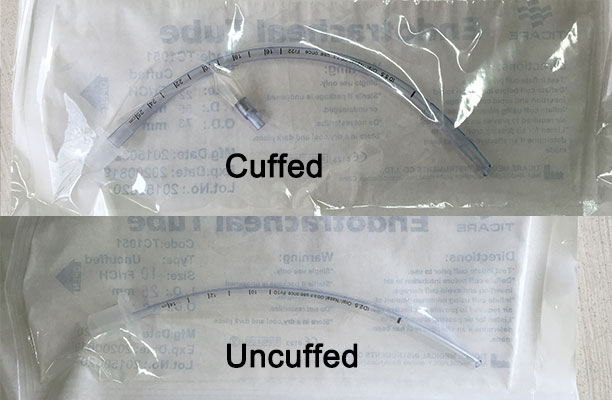
Cuffed tubes contain an inflatable cuff that helps create a seal within the airway, while uncuffed tubes rely on natural airway anatomy.
Proper sizing helps reduce airway trauma, minimize air leaks, improve ventilation efficiency, and decrease the need for tube replacement.
What size endotracheal tube is used for adults?
What size ET tube should be used for a child?
What size endotracheal tube is used for neonates?
What is the difference between cuffed and uncuffed ET tubes?
Why is correct ET tube sizing important?
For complete airway management supply, explore:
- Endotracheal Tubes (Cuffed & Uncuffed)
- Reinforced Endotracheal Tubes
- Laryngeal Mask Airway
- Suction Catheters
- Anesthesia Breathing Circuits
- Laryngoscope Blades & Handles
Ideal for:
- Operating rooms
- ICU reference boards
- Ambulance kits
- Training centers

sign up for our newsletter to receive the latest news, exclusive offers, and other discount information.