+86-13950196535, 086-592-5566387
 enquiry@ticarehealth.com
We serve all people who pursue high quality and personal customization for healthy life all over the world .
Categories
Latest blog
Tags
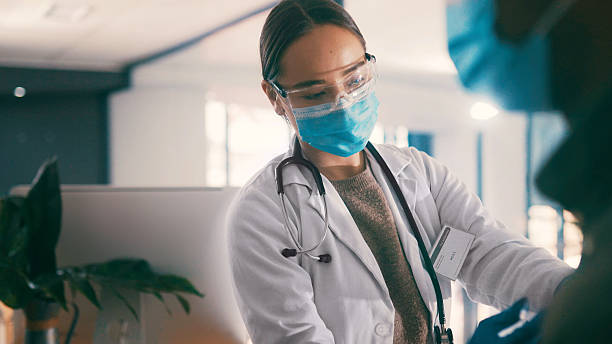
Nurses spend their shifts in environments where clear vision and reliable eye protection are equally important. From administering medications and inserting IV lines to assisting during procedures and responding to emergencies, even a brief loss of visibility can affect efficiency and safety.
At the same time, healthcare facilities face growing pressure to maintain PPE compliance, reduce workplace injuries, and support employee comfort during increasingly demanding schedules. For nurses who wear corrective lenses, standard eye protection often creates an additional challenge. Poorly fitting goggles can cause fogging, discomfort, visual distortion, and reduced compliance.
Prescription safety goggles offer a practical solution by combining corrective vision and protective eyewear into a single piece of equipment. However, selecting the right product requires more than comparing prices. Healthcare buyers must evaluate safety standards, lens options, compatibility with other PPE, maintenance requirements, and long-term ownership costs.
This guide provides a structured framework for evaluating prescription safety eyewear for healthcare workers and building a successful eye protection program for nursing teams.
Healthcare environments present a variety of eye hazards that are not always obvious until an incident occurs.
Common risks include:
- Blood and bodily fluid splashes
- Exposure to infectious droplets
- Aerosol-generating procedures
- Chemical disinfectants and cleaning agents
- Accidental contact with contaminated hands or equipment
While standard safety goggles help reduce these risks, nurses who wear prescription glasses often face additional obstacles. Wearing goggles over prescription eyewear can create pressure points, limit peripheral vision, increase fogging, and reduce overall comfort.
These seemingly minor issues can influence whether eye protection is worn consistently throughout a shift.
Prescription safety goggles help address these challenges by providing:
- Corrective vision and protection in one product
- Improved visual clarity during patient care
- Better comfort during extended wear
- Reduced interference with other PPE
- Increased compliance with safety protocols
For healthcare organizations, improved compliance can contribute to a safer work environment and a more consistent PPE program.
Before evaluating product features, buyers should verify that eye protection meets relevant occupational safety requirements.
Depending on the market and workplace requirements, healthcare organizations may encounter standards such as:
- ANSI Z87.1 for occupational and educational eye and face protection in the United States
- CSA Z94.3 for eye and face protectors in Canada
- EN 166 for personal eye protection in Europe
Compliance with recognized standards helps demonstrate that products have been tested for performance criteria such as impact resistance and protective capability.
Facilities should always review applicable regulations and internal safety requirements before making purchasing decisions.
related article: Safety Goggles Certification Standards Explained
One of the most common procurement decisions involves choosing between prescription safety goggles and over-the-glasses (OTG) models.
| Feature | Prescription Safety Goggles | OTG Goggles |
|---|---|---|
| Visual Clarity | Excellent | Good |
| Comfort During Long Shifts | Excellent | Moderate |
| Weight | Lower | Higher |
| Fogging Potential | Often Lower | Often Higher |
| PPE Compatibility | Better | Varies |
| Initial Purchase Cost | Higher | Lower |
OTG goggles are often suitable for visitors, temporary personnel, or employees who only occasionally require eye protection.
Prescription safety goggles are typically more appropriate for nurses who wear protective eyewear daily. The improved fit and reduced layering of eyewear often result in greater comfort and better user acceptance.
A regional healthcare facility evaluating eye protection for its emergency department tested three solutions:
- Standard OTG goggles
- Disposable splash goggles
- Prescription safety goggles
During the evaluation period, staff feedback consistently highlighted comfort, fog resistance, and compatibility with masks as primary concerns. Although prescription safety goggles carried a higher upfront cost, the facility selected them because of improved wearer satisfaction and reduced requests for alternative PPE options.
Safety certification should be the starting point for any evaluation process.
Request documentation from suppliers and verify that products meet applicable standards for your facility.
Compliance is not a marketing feature. It is a purchasing requirement.
Few issues frustrate healthcare workers more than fogged lenses.
Frequent transitions between rooms, prolonged mask use, and high-humidity conditions can all contribute to reduced visibility.
Advanced anti-fog technologies can help maintain clearer vision when properly maintained. Buyers should review cleaning requirements because some coatings perform better than others after repeated disinfection cycles.
Healthcare-specific goggles should provide reliable protection against fluid exposure while maintaining comfort.
A secure seal helps reduce exposure risks without creating excessive pressure on the face.
Finding the right balance is essential.
Polycarbonate lenses remain a preferred option because they combine durability with lightweight performance.
Benefits include:
- High impact resistance
- Reduced weight
- Good optical clarity
- Long service life
Additional coatings may improve scratch resistance and anti-fog performance.
Nurses frequently work shifts lasting 10 to 12 hours or more.
Features that improve comfort include:
- Adjustable straps
- Soft-contact materials
- Lightweight frames
- Flexible nose bridges
Comfort directly influences compliance and user satisfaction.
Prescription safety goggles rarely function independently.
They must work alongside:
- Surgical masks
- N95 respirators
- Face shields
- Protective gowns
Testing products in real-world conditions before large purchases can help identify compatibility issues early.
Healthcare eye protection undergoes repeated cleaning throughout its service life.
Products should be evaluated for:
- Resistance to disinfectants
- Coating durability
- Ease of maintenance
- Replacement part availability
A product that performs well in a laboratory setting may not perform equally well after months of intensive cleaning.
The lowest-priced product does not always represent the lowest-cost solution.
Procurement teams increasingly evaluate PPE based on total cost of ownership rather than unit price alone.
Hidden costs may include:
- Frequent replacement purchases
- Employee complaints
- Reduced compliance
- Inventory complexity
- Productivity losses
- Additional training requirements
Consider a healthcare facility with 100 nurses.
A basic goggle costing $8 requires replacement four times annually.
Annual equipment cost:
100 nurses × $8 × 4 = $3,200
A premium prescription safety goggle costing $45 remains in service for two years.
Annualized equipment cost:
100 nurses × $45 ÷ 2 = $2,250
This example is for illustration purposes only. Actual costs vary depending on product specifications, usage patterns, maintenance procedures, and replacement schedules.
The key lesson is simple: unit price and total ownership cost are rarely the same thing.
Different nursing roles require different visual capabilities.
Understanding available lens options helps buyers support a broader workforce.
Single vision lenses correct one visual range.
They are often suitable for nurses who primarily require either distance or near-vision correction.
Bifocals provide separate viewing zones for near and distance tasks.
This can be useful for healthcare professionals who frequently alternate between patient charts and room observation.
Progressive lenses offer multiple correction zones without visible dividing lines.
Many healthcare professionals prefer them because they allow smoother transitions between viewing distances.
Additional options may include:
- Premium anti-fog treatments
- Enhanced scratch resistance
- Blue light filtering
- Specialized coatings for high-use environments
The most appropriate choice depends on workplace requirements and individual visual needs.
Modern anti-fog technologies, improved ventilation systems, and advanced coatings help reduce condensation buildup.
This becomes especially valuable in environments requiring continuous mask use.
Older goggle designs often created discomfort around the ears, nose bridge, and temples.
Newer ergonomic designs distribute weight more evenly and reduce pressure during extended wear.
One-size-fits-all designs rarely fit everyone.
Manufacturers increasingly offer adjustable systems and multiple sizing options to improve fit and protection.
Restricted visibility can affect situational awareness in busy healthcare environments.
Wraparound designs help expand the field of view while maintaining protective coverage.
Healthcare-specific prescription goggles are often engineered to integrate more effectively with masks, respirators, and face shields.
This improves both comfort and functionality.
Product quality matters. Supplier quality matters just as much.
Healthcare organizations often evaluate suppliers using the following criteria:
Suppliers should provide clear evidence of product testing and certification.
Facilities may need multiple frame styles, lens options, and sizing configurations.
A broader product offering simplifies workforce accommodation.
Consistent product availability helps prevent disruptions.
Long lead times can create operational challenges.
Responsive support teams can simplify implementation, troubleshooting, and replacement requests.
Some suppliers offer structured replacement and lens-update programs.
These services may help reduce administrative burdens and simplify long-term eyewear management.
Before finalizing a purchase, procurement teams should gather detailed information from suppliers.
Key questions include:
The answers often reveal more about a product than marketing materials alone.
The most effective healthcare organizations view eye protection as a system rather than a product.
Identify vision correction requirements, department-specific hazards, and PPE usage patterns.
Reducing unnecessary product variation can simplify purchasing, training, and inventory management.
Provide guidance on:
- Proper fitting
- Cleaning procedures
- Storage practices
- Replacement schedules
Routine audits help identify gaps and ensure policies remain effective.
Clear replacement schedules improve consistency and help maintain protective performance.
Prioritize suppliers that offer:
- Broad prescription capabilities
- Multiple frame options
- Dedicated account support
- Replacement programs
- Scalable inventory solutions
Focus on products that balance:
- Comfort
- Ease of maintenance
- Cost efficiency
- Reliable protection
Prioritize:
- Superior splash resistance
- High-performance anti-fog technology
- Strong PPE compatibility
- Durable lens coatings
Evaluate:
- Product lifespan
- Replacement frequency
- Maintenance requirements
- Total ownership costs
Longer-lasting products often provide greater value than low-cost alternatives.
Prescription safety goggles play an important role in protecting nurses while supporting the visual accuracy required for quality patient care. For healthcare organizations, the selection process should extend beyond price comparisons and basic specifications.
The strongest purchasing decisions consider compliance, comfort, anti-fog performance, PPE compatibility, supplier reliability, and total cost of ownership. By taking a structured approach to evaluation, healthcare facilities can improve user acceptance, strengthen PPE compliance, and create safer working environments for nursing professionals.
When eye protection is comfortable, reliable, and designed around real workplace needs, both employees and organizations benefit.
Need prescription safety goggles for your nursing project? Contact our specialists online for competitive bulk pricing.

Kelly Jojo
Email: enquiry@ticarehealth.com

sign up for our newsletter to receive the latest news, exclusive offers, and other discount information.