+86-13950196535, 086-592-5566387
 enquiry@ticarehealth.com
We serve all people who pursue high quality and personal customization for healthy life all over the world .
Categories
Latest blog
Tags
In institutional healthcare environments, surgical tape is classified as a regulated medical consumable rather than a simple adhesive product. Although it is routinely used for wound dressing fixation, catheter stabilization, and medical tubing securement, hospitals evaluate it under structured procurement and compliance frameworks. These frameworks prioritize patient safety, regulatory conformity, product traceability, and manufacturing consistency.
Hospital procurement teams do not assess surgical tape solely on adhesion strength or price competitiveness. Instead, supplier qualification processes typically examine quality management certifications, biocompatibility testing, regulatory registrations, documentation systems, and post-market surveillance readiness. Because surgical tape comes into prolonged contact with patient skin—often in vulnerable populations such as post-operative or geriatric patients—its compliance profile must align with institutional risk management standards.
Understanding hospital requirements for surgical tape helps clarify why certain manufacturers qualify for tenders while others do not. The following sections outline the regulatory, technical, and operational standards that hospitals commonly expect before approving a supplier for long-term supply agreements.
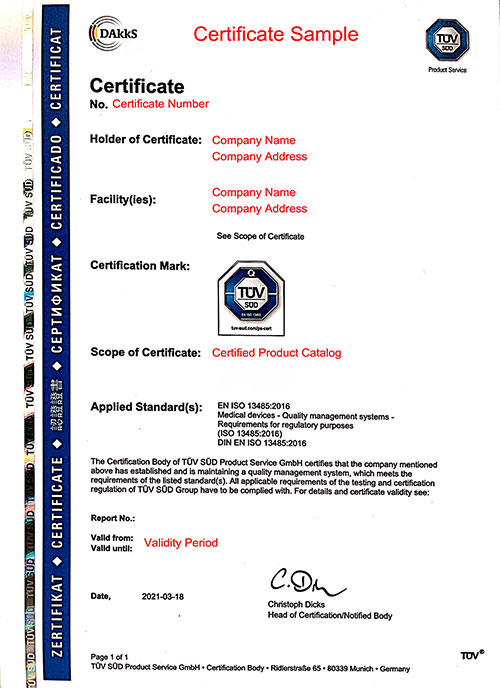
Most hospitals require manufacturers of medical consumables to operate under ISO 13485-certified quality management systems. ISO 13485 establishes structured controls over medical device manufacturing processes, including:
For procurement departments, ISO 13485 certification indicates that production is governed by traceable, auditable systems rather than informal quality practices. Certification alone is not sufficient; hospitals may request verification of certification scope, expiration date, and audit history.
- Document control procedures
- Risk management integration
- Corrective and preventive action (CAPA) systems
- Internal audit processes
- Supplier qualification protocols
Regulatory conformity demonstrates that the product has been assessed against safety and performance standards defined by competent authorities. Procurement officers may request:
- FDA registration (United States) — Establishment registration and device listing under applicable classification.
- CE marking (European Union) — Compliance with EU Medical Device Regulation (MDR) requirements, supported by technical documentation.
- Country-specific registrations — For example, approvals required in Asia-Pacific or Middle Eastern jurisdictions.
Without these documents, suppliers may not pass initial compliance screening.
- Declaration of Conformity
- Device classification documentation
- Regulatory registration numbers
Traceability is particularly important. Each production batch should be identifiable and traceable through lot numbers. In many institutional settings, traceability systems must support rapid investigation in case of complaints or recalls.
- Product specifications
- Raw material descriptions
- Sterility status (if applicable)
- Shelf-life validation data
- Packaging validation records
Hospitals expect consistency across batches. Performance variability can compromise patient safety and lead to clinical dissatisfaction.
- 180-degree peel adhesion testing
- Shear adhesion evaluation
- Initial tack measurement
- Residue analysis
Hospitals increasingly assess the risk of medical adhesive-related skin injury (MARSI), especially among elderly or neonatal patients. Documentation confirming hypoallergenic adhesive formulation and latex-free status may be required.
- Skin irritation testing
- Sensitization testing
- Cytotoxicity evaluation
These factors influence clinical performance, particularly in surgical wards, intensive care units, and long-term care settings.
- Backing material breathability
- Moisture vapor transmission rate (MVTR)
- Fabric or non-woven flexibility
- Conformability over joints
Suppliers should maintain documented inspection protocols.
- Adhesive composition consistency
- Fabric or film backing specifications
- Release liner stability
Manufacturers operating clean or controlled production environments often document air quality, humidity, and contamination controls.
- Coating uniformity controls
- Environmental monitoring systems
- Adhesive curing parameters
- Process validation reports
These procedures demonstrate systematic quality assurance rather than reactive correction.
- Random sampling inspection
- Packaging integrity verification
- Label accuracy checks
- Shelf-life and stability confirmation
Audit readiness reflects operational transparency.
- Production facilities
- Quality documentation systems
- CAPA implementation history
- Complaint handling records
In regulated environments, the ability to respond quickly to field incidents is a core selection factor.
- Documented complaint tracking systems
- Root cause analysis procedures
- Rapid recall response plans
Long-term reliability often outweighs marginal price differences.
- Monthly production capacity
- Inventory management practices
- Secondary raw material sourcing
- Business continuity planning
Change control procedures are also essential. Any modification to adhesive formulation, backing material, or packaging must be documented and evaluated for clinical impact.
- Risk analysis documentation
- Hazard identification matrices
- Mitigation strategy records
- Post-market surveillance reports
These elements collectively determine whether a manufacturer qualifies for inclusion in approved vendor lists.
- Regulatory compliance completeness
- Quality system certification
- Performance testing documentation
- Traceability capabilities
- Audit transparency
- Supply stability
Meeting these expectations requires integration of manufacturing controls, regulatory awareness, and structured documentation practices.
- Safe skin contact
- Consistent adhesion performance
- Reliable batch traceability
- Stable long-term supply

sign up for our newsletter to receive the latest news, exclusive offers, and other discount information.