0086-592-5566387
 enquiry@ticarehealth.com
We serve all people who pursue high quality and personal customization for healthy life all over the world .

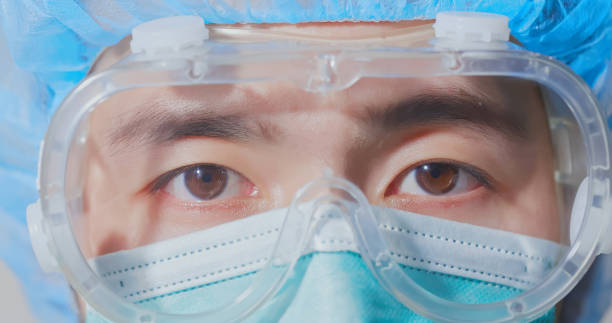
Workplace eye injuries remain a serious concern across industries, from construction sites and manufacturing floors to hospitals and laboratories. Even a momentary exposure to flying debris, chemical splashes, infectious fluids, or airborne particles can lead to injuries that affect productivity, worker safety, and long-term health. As industries continue strengthening workplace protection programs, safety goggles remain one of the most essential pieces of personal protective equipment (PPE).
Today, the use of protective eyewear extends far beyond traditional industrial settings. Healthcare systems, pharmaceutical facilities, cleanrooms, and specialized medical environments increasingly depend on advanced eye protection solutions to safeguard personnel. While many sectors rely on safety goggles, medical applications have become especially important because eye protection now supports not only worker safety—but also infection control and patient care standards.
In this article, we explore the top industries using safety goggles today, with a closer look at healthcare and medical environments where eye protection plays a particularly critical role.
Eye hazards vary widely depending on the workplace. Some environments expose workers to impact risks, while others present chemical or biological dangers.
Common workplace eye hazards include:
- Flying particles from cutting, grinding, or drilling
- Dust and airborne debris
- Chemical splashes
- Heat and sparks
- Biological fluids and infectious exposure
- Smoke, vapors, and airborne contaminants
Unlike standard safety glasses, safety goggles provide a more complete protective seal around the eyes. This enclosed design offers additional defense against liquids, particles, and environmental exposure.
Organizations that prioritize eye protection often gain benefits beyond safety compliance:
- Reduced workplace injury rates
- Fewer productivity disruptions
- Improved employee confidence
- Better compliance with workplace regulations
- Lower long-term injury costs
Selecting the right goggles requires understanding the risks unique to each industry.
Manufacturing facilities remain among the largest users of industrial eye protection.
Workers frequently encounter:
- Metal fragments from machining
- Dust generated during processing
- Chemical exposure during production
- Flying particles from automated systems
- Sparks and debris from equipment
Safety goggles for manufacturing workers often include impact-resistant lenses, anti-fog coatings, and durable frames designed for extended wear.
Manufacturing environments also commonly require compatibility with hard hats, hearing protection, and respiratory equipment.
Construction workers operate in environments filled with unpredictable hazards.
Common risks include:
- Concrete dust
- Wood particles
- Drilling debris
- Cutting sparks
- Wind-blown particles
Protective eyewear used in construction typically emphasizes durability and environmental sealing. Anti-scratch coatings and UV-resistant lenses may also improve performance for outdoor workers.
Proper eye protection can significantly reduce injury risk on fast-moving jobsites where multiple hazards occur simultaneously.
Healthcare has become one of the most important sectors using safety goggles today. While many people associate protective eyewear with factories or construction sites, modern medical environments increasingly depend on specialized eye protection to reduce exposure risks and maintain infection control protocols.
Hospitals, clinics, emergency departments, laboratories, dental facilities, surgical centers, and diagnostic settings all face unique challenges that require medical-grade protective eyewear.
Unlike industrial hazards that involve debris or impact, healthcare eye protection frequently addresses biological exposure.
Medical professionals regularly encounter:
- Blood splashes
- Respiratory droplets
- Bodily fluids
- Aerosolized particles
- Laboratory chemicals
- Infectious microorganisms
Even brief exposure through the eyes may create pathways for contamination and disease transmission.
Eye protection plays an important role within broader infection prevention strategies.
Medical safety goggles help:
- Protect healthcare workers during patient interactions
- Reduce fluid exposure risks
- Support infection-control protocols
- Protect laboratory personnel handling specimens
- Improve safety during emergency procedures
In healthcare settings, goggles are often used together with masks, respirators, gloves, and face shields as part of layered PPE systems.
Healthcare organizations increasingly recognize that effective eye protection supports both worker safety and operational continuity.
Emergency care professionals work in fast-paced environments where unpredictable exposure events may occur. Trauma treatment, wound irrigation, and emergency procedures frequently involve splash risks.
Anti-fog protection becomes particularly valuable because healthcare workers often move rapidly between environments and wear masks for extended periods.
Procedural areas expose staff to fluids generated during surgery and specialized treatments.
Medical eyewear used in these settings typically prioritizes:
- Clear visibility
- Lightweight comfort
- Secure fit
- Compatibility with surgical masks
- Extended wear performance
Comfort matters because healthcare workers may wear protective equipment throughout lengthy procedures.
Laboratory personnel face exposure risks from:
- Chemicals
- Biological samples
- Testing agents
- Aerosol-generating processes
Laboratory goggles often require indirect ventilation systems that reduce fogging while limiting contaminant entry.
Dental procedures frequently generate droplets and aerosols.
Dentists, hygienists, and assistants rely on protective eyewear that supports:
- Continuous visibility
- Close patient interaction
- Compatibility with magnification tools
- Lightweight all-day wear
Healthcare environments managing infectious conditions place even greater emphasis on eye protection.
In these settings, sealed or splash-resistant goggles can help reduce exposure risks associated with infectious particles and respiratory droplets.
Medical users often prioritize different features than industrial buyers.
Important considerations include:
Anti-fog technology
Masks commonly redirect airflow upward, causing lenses to fog quickly. Advanced coatings help maintain visibility.
Splash resistance
Protection against fluids remains essential in hospitals and clinical settings.
Comfort during long shifts
Healthcare workers may wear PPE for many hours without interruption.
Compatibility with masks and face shields
Medical eye protection should integrate seamlessly with broader PPE systems.
Easy cleaning and disinfection
Reusable medical goggles frequently require repeated sterilization and cleaning cycles.
Healthcare organizations often evaluate both options.
Disposable goggles
Advantages:
- Reduced cross-contamination concerns
- Convenient use during outbreaks
- Lower maintenance requirements
Limitations:
- Increased recurring purchasing costs
- Greater waste generation
Reusable goggles
Advantages:
- Long-term cost efficiency
- Durable construction
- Sustainability benefits
Limitations:
- Cleaning and disinfection requirements
Many healthcare facilities maintain a combination approach depending on department needs and infection-control policies.
Chemical facilities present eye hazards involving corrosive substances, liquid splashes, and airborne materials.
Protective eyewear in these environments commonly includes:
- Chemical-resistant materials
- Secure seals
- Indirect ventilation
- Anti-fog lens technology
Selecting goggles based on chemical exposure type remains essential for workplace safety.
Energy environments present multiple simultaneous risks.
Workers often face:
- Dust
- Pressurized systems
- Flying particles
- Harsh environmental conditions
Protective eyewear frequently requires rugged durability and compatibility with respirators and helmets.
Mining operations involve persistent exposure to airborne particles and impact hazards.
Desired features often include:
- Impact resistance
- Dust protection
- Anti-fog performance
- Long-shift comfort
Proper eye protection helps maintain visibility in challenging environments.
Metal fabrication introduces sparks, heat, ultraviolet exposure, and debris hazards.
Protective systems may involve multiple layers:
- Welding shields
- Safety goggles
- Face protection
Using complementary PPE solutions improves overall protection.
Agricultural workers face exposure from:
- Pesticide spraying
- Dust
- Machinery particles
- Outdoor environmental conditions
Protective eyewear designed for agriculture often balances impact protection with comfort and UV resistance.
Specific regulations vary by region and industry, but employers generally must assess hazards and provide appropriate protective equipment when eye risks exist.
Industries commonly requiring eye protection include:
- Manufacturing
- Construction
- Healthcare
- Laboratories
- Chemical processing
- Mining
- Pharmaceutical production
Organizations should review applicable standards and conduct workplace risk assessments before selecting protective equipment.
Selecting protective eyewear involves more than basic compliance.
Important purchasing considerations include:
- Lens material
- Ventilation design
- Anti-fog performance
- PPE compatibility
- Long-wear comfort
- Durability
- Bulk purchasing options
Healthcare organizations in particular often evaluate goggles based on infection-control procedures and clinical workflow requirements.
Protective eyewear continues evolving.
Emerging developments include:
- Advanced anti-fog coatings
- Lightweight materials
- Improved ergonomic designs
- Smart PPE integration
- Customized medical protective eyewear
Healthcare innovation may continue driving next-generation safety goggle development as infection prevention becomes increasingly important worldwide.
Manufacturing, construction, healthcare, laboratories, chemical processing, and mining remain among the largest users of safety goggles.
Yes. Healthcare workers frequently encounter biological fluids, aerosols, and infectious exposure risks that make eye protection a critical part of PPE protocols.
Medical users often prioritize anti-fog performance, splash resistance, comfort, and compatibility with masks or face shields.
Yes. Ticare provides custom and private-label options for hospitals, distributors, and healthcare procurement organizations.
Safety goggles now serve a much broader purpose than traditional industrial eye protection. Across manufacturing facilities, construction sites, laboratories, and energy operations, protective eyewear continues supporting safer workplaces.
Among all industries, healthcare and medical environments deserve particular attention. Hospitals and clinical settings increasingly rely on specialized eye protection to reduce exposure risks, improve infection control, and support the safety of healthcare professionals.
As workplaces evolve and safety standards become more sophisticated, selecting industry-specific eye protection solutions remains essential—not only for compliance, but also for protecting the people behind every operation.
Related articles:
Safety Goggles Procurement Guide for International Buyers
Safety Goggles Certification Standards Explained

sign up for our newsletter to receive the latest news, exclusive offers, and other discount information.