0086-592-5566387
 enquiry@ticarehealth.com
We serve all people who pursue high quality and personal customization for healthy life all over the world .
Categories
Latest blog
Tags
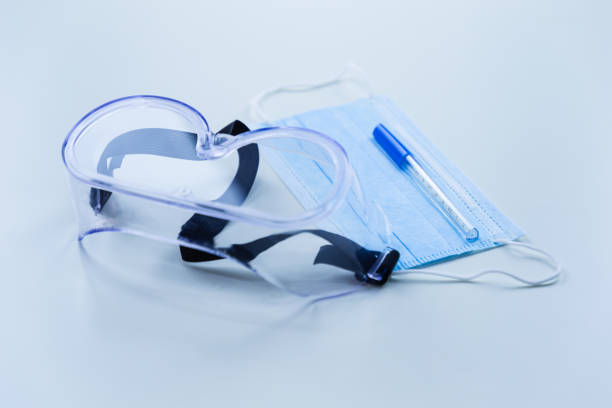
Sourcing safety goggles in today's global marketplace involves far more than identifying the lowest-priced supplier. International buyers must balance product quality, regulatory compliance, supplier reliability, customization capabilities, and logistics efficiency to ensure a successful procurement outcome. A well-planned purchasing strategy helps organizations secure protective eyewear that meets safety requirements while maintaining cost-effectiveness and supply chain stability.
This safety goggles procurement guide outlines the critical factors that influence purchasing decisions across industries, including healthcare, manufacturing, laboratories, and construction. From evaluating certifications and manufacturing standards to assessing shipping arrangements and private-label opportunities, each step plays a role in reducing procurement risks.
Healthcare and medical organizations face additional considerations, such as infection control requirements, anti-fog performance, wearer comfort, and compliance with industry-specific standards. By following a structured safety goggles wholesale buying guide, procurement professionals can make informed decisions, strengthen supplier partnerships, and ensure consistent access to high-quality protective eyewear for their workforce.
The quality, consistency, and compliance of safety goggles depend heavily on the manufacturer's capabilities and operational standards. While pricing is often a key consideration, international buyers should evaluate suppliers through a broader lens that includes manufacturing expertise, regulatory compliance, and long-term reliability.
A supplier's manufacturing capabilities provide valuable insight into its ability to meet both current and future procurement requirements. Production capacity should align with expected order volumes, especially for buyers managing multiple locations, distribution networks, or healthcare facilities. Manufacturers with scalable production lines are generally better equipped to handle fluctuations in demand without compromising lead times.
Quality management systems are equally important. Reliable suppliers typically operate under documented quality procedures that govern raw material sourcing, production controls, testing protocols, and corrective actions. These systems help maintain consistency across production batches and minimize the likelihood of defects reaching end users.
Export experience should also be carefully reviewed. Suppliers that regularly serve international markets are more familiar with global compliance requirements, shipping documentation, packaging standards, and customs procedures. Their experience can simplify procurement operations and reduce potential delays throughout the supply chain.
A thorough international safety goggles supplier selection process should always include credential verification. Legitimate manufacturers should be able to provide valid business licenses, company registration documents, and proof of legal operation within their jurisdiction.
Industry certifications offer additional assurance regarding product quality and compliance. Depending on target markets, buyers may need evidence of conformity with standards such as ANSI Z87.1, EN166, or other regional safety regulations. Certification documentation should be reviewed carefully to verify authenticity and scope.
Factory audit reports can provide valuable visibility into a supplier's operations. These assessments often evaluate manufacturing processes, quality management practices, workplace conditions, and regulatory compliance. Incorporating a safety goggles supplier qualification process that includes independent audits helps buyers identify potential risks before entering long-term agreements.
Product quality should remain consistent from the first shipment to the thousandth. For this reason, sample testing is an essential part of supplier evaluation. Buyers should assess product performance, comfort, durability, optical clarity, anti-fog effectiveness, and compliance with applicable safety standards before placing large-volume orders.
Inspection procedures should also be reviewed. Reputable manufacturers typically conduct incoming material inspections, in-process quality checks, and final product evaluations to identify defects before shipment. These controls contribute to higher product reliability and customer satisfaction.
Traceability systems add another layer of confidence. Effective traceability allows manufacturers to track products back to specific production batches, materials, and inspection records. When included as part of a safety goggles factory audit checklist, traceability demonstrates a supplier's commitment to accountability, quality control, and continuous improvement.
Healthcare environments place unique demands on protective eyewear. Unlike many industrial settings, hospitals, clinics, laboratories, and emergency care facilities require safety goggles that not only provide reliable eye protection but also support infection control protocols, extended wear comfort, and clinical performance. As a result, a medical safety goggles procurement guide must address factors that go beyond standard occupational safety requirements. Procurement teams should evaluate products based on their ability to protect healthcare workers while supporting patient care and operational efficiency.
Eye protection plays a critical role in preventing exposure to infectious materials in healthcare settings. Medical professionals are frequently exposed to bodily fluids, respiratory droplets, and other contaminants that may pose risks to the eyes and surrounding facial areas.
Fluid and splash resistance are among the most important product characteristics for healthcare applications. Safety goggles should create a secure protective barrier around the eyes while maintaining a comfortable seal that minimizes gaps. This is particularly important in emergency departments, operating rooms, intensive care units, and laboratory environments where exposure risks may be elevated.
When evaluating products for infection control safety goggles procurement, buyers should review testing data, material specifications, and design features that contribute to effective protection. Durable materials and easy-to-clean surfaces can further support hygiene protocols and extend product lifespan.
Clear vision is essential in medical environments where precision and attention to detail directly affect patient outcomes. Fogging can occur when healthcare workers move between temperature-controlled environments, wear masks for extended periods, or perform physically demanding tasks. Even temporary visual obstruction can create workflow disruptions and safety concerns.
High-quality anti-fog coatings help maintain lens clarity during prolonged procedures and daily clinical activities. This feature is especially valuable for surgeons, nurses, laboratory technicians, and emergency responders who require uninterrupted visibility throughout their shifts.
Comfort also plays a significant role in product performance. Lightweight designs, adjustable headbands, soft sealing materials, and ergonomic construction contribute to wearer acceptance and compliance. For organizations considering an anti-fog medical safety goggles bulk purchase, evaluating comfort alongside optical performance can lead to higher user satisfaction and reduced replacement rates.
Successful procurement begins with a clear understanding of applicable regulatory requirements and healthcare standards. Buyers should verify that products meet relevant safety and quality specifications for their intended use and target markets.
Product validation is another critical step. Before committing to large-volume purchases, hospitals and clinics should conduct product evaluations to assess fit, visibility, durability, cleaning compatibility, and user acceptance. Real-world testing often reveals performance factors that may not be evident in technical documentation alone.
Staff feedback is particularly valuable during the selection process. Healthcare professionals who wear protective eyewear daily can provide practical insights regarding comfort, usability, and overall effectiveness. Incorporating wear trials and user evaluations helps organizations identify the most suitable PPE safety goggles for healthcare facilities.
By combining infection control requirements, anti-fog performance assessments, regulatory verification, and end-user feedback, procurement teams can make informed decisions when sourcing safety goggles for hospitals and clinics.
Price is often one of the first factors buyers compare when sourcing safety goggles. However, focusing solely on the quoted unit cost can create a misleading picture of the true procurement expense. A comprehensive purchasing strategy considers all costs associated with acquiring, transporting, storing, and maintaining the product throughout its lifecycle.
The total landed cost represents the complete expense of delivering safety goggles from the manufacturer to the end user. While manufacturing cost forms the foundation of pricing, it is only one component of the overall procurement equation.
Freight expenses can significantly affect the final cost, particularly for international shipments. Transportation mode, shipment volume, destination, and fuel surcharges all influence logistics expenditures. Buyers should also account for customs duties, import taxes, and regulatory fees that may vary across countries and regions.
Warehousing expenses are another important consideration. Inventory storage, handling, and stock management costs can accumulate over time, especially for organizations purchasing large quantities. A detailed safety goggles bulk pricing guide should include these indirect expenses to provide a more accurate assessment of procurement value and budget requirements.
An international buyer is sourcing 10,000 safety goggles for healthcare and industrial use. The supplier offers a unit price of $2.50 per pair, which initially appears cost-effective.
However, the true procurement cost includes multiple additional factors:
$25,000 (manufacturing)
= $31,700 total landed cost
- $3,200 (freight)
- $2,000 (duties)
- $1,500 (warehousing)
$31,700 / 10,000 units = $3.17 per unit
Although the initial unit price was $2.50, the real cost increased to $3.17 per unit after logistics, duties, and storage were included. This demonstrates why relying only on unit pricing can significantly underestimate total procurement expenses in global safety goggles sourcing.
Even the highest-quality safety goggles can become a procurement challenge if shipping, customs clearance, and inventory management are not properly planned. International buyers must look beyond product selection and develop a logistics strategy that ensures timely delivery, regulatory compliance, and uninterrupted supply. When importing PPE safety goggles internationally, effective documentation management and supply chain planning are essential for minimizing delays and controlling costs.
Accurate and complete documentation plays a critical role in the import process. Missing or incorrect paperwork can result in customs delays, additional fees, or shipment rejections. As part of a comprehensive safety goggles import documentation checklist, buyers should verify that suppliers provide all required documents before goods are shipped.
Commercial invoices are among the most important documents. They contain essential information about product descriptions, quantities, pricing, country of origin, and transaction terms. Customs authorities use this information to assess duties and taxes.
Packing lists provide detailed shipment information, including carton quantities, dimensions, weights, and packaging configurations. These documents support customs inspections and facilitate efficient inventory receiving procedures upon arrival.
Compliance certificates are equally important, particularly for regulated products such as protective eyewear. Certifications demonstrating conformity with applicable safety standards help support customs clearance and provide assurance that products meet market requirements.
Successful procurement requires careful coordination between production schedules, shipping timelines, and inventory needs. Lead times should be evaluated from the moment an order is placed until the products arrive at their final destination. This includes manufacturing, quality inspections, export processing, transit, customs clearance, and local distribution.
Safety stock management helps organizations maintain adequate inventory levels during periods of uncertainty. Holding a strategic inventory reserve can reduce the risk of shortages caused by shipping delays, unexpected demand increases, or supplier disruptions.
Global supply chains are increasingly exposed to transportation bottlenecks, geopolitical events, labor shortages, and fluctuating freight costs. Effective safety goggles supply chain management involves identifying potential risks and developing contingency plans to maintain business continuity. Diversifying suppliers, monitoring logistics performance, and maintaining inventory visibility can help organizations respond more effectively to disruptions.
For distributors seeking to strengthen their market position, OEM and private label programs offer valuable opportunities beyond traditional product reselling. By partnering with an experienced manufacturer, businesses can create exclusive product lines that reflect their brand identity while meeting the specific needs of their target customers. As competition within the personal protective equipment market continues to grow, customized solutions can provide a meaningful advantage.
Custom branding allows distributors to differentiate their products in a crowded marketplace. Rather than competing solely on price, companies can establish a unique identity through branded safety goggles, customized packaging, and tailored product features. This distinction can help increase brand recognition and create stronger customer relationships over time.
Customer loyalty is often strengthened when buyers associate consistent product quality with a recognizable brand. Hospitals, industrial organizations, laboratories, and distributors frequently prefer trusted suppliers that provide dependable products and professional branding. As a result, custom-branded products can contribute to repeat business and long-term customer retention.
Private label programs may also support higher profit margins. Since distributors control branding and market positioning, they often have greater flexibility in pricing strategies. Working with a reliable custom branded safety goggles manufacturer can help businesses build a differentiated product portfolio while improving profitability.
Before entering an OEM partnership, distributors should conduct a thorough evaluation of the manufacturer's capabilities and program requirements. Minimum order quantity (MOQ) requirements are often one of the first considerations. Understanding production thresholds helps buyers determine whether the partnership aligns with their sales forecasts and inventory capacity.
Packaging options should also be reviewed carefully. Many OEM safety goggles manufacturing services offer customized packaging, labeling, instruction manuals, and retail-ready presentation solutions that support brand consistency.
Design support is another important factor. A qualified private label safety goggles manufacturer should be able to assist with logo placement, product customization, artwork development, and packaging design. These services can simplify product development and help distributors bring branded products to market more efficiently.
✔ Define Technical Requirements
- Determine the intended application, such as healthcare, laboratory, industrial, or construction use.
- Specify requirements for anti-fog performance, impact resistance, splash protection, comfort, and durability.
✔ Verify Certifications
- Confirm compliance with applicable standards such as ANSI Z87.1, EN166, or other regional regulations.
- Review certification reports and supporting documentation for authenticity.
✔ Evaluate Supplier Capabilities
- Assess production capacity, quality management systems, export experience, and customer support capabilities.
- Review factory audit reports and manufacturing credentials.
✔ Conduct Quality Inspections
- Request product samples for testing and evaluation.
- Verify inspection procedures and quality control processes before shipment.
✔ Review Logistics Plans
- Confirm lead times, shipping methods, customs requirements, and inventory management strategies.
- Ensure all import documentation is prepared accurately.
✔ Calculate Total Landed Costs
- Include manufacturing costs, freight charges, duties, taxes, and warehousing expenses.
- Compare suppliers based on overall value rather than unit price alone.
✔ Assess Customization Opportunities
- Explore OEM and private-label options, branding possibilities, packaging customization, and minimum order requirements.
By incorporating these steps into a bulk safety goggles purchasing guide, international buyers can make more informed procurement decisions, minimize operational risks, and establish reliable supplier partnerships that support long-term business growth.
Effective procurement of safety goggles is a multi-layered process that extends far beyond simple price comparison. Success depends on a balanced evaluation of product quality, regulatory compliance, and supplier reliability. Each factor plays a critical role in ensuring that protective eyewear performs consistently across demanding industrial and healthcare environments.
Certification verification remains a non-negotiable step in the sourcing process. Standards such as ANSI Z87.1 and EN166 provide assurance that products meet required safety thresholds. Without proper validation, organizations risk compliance issues and compromised user safety.
Healthcare buyers face even more stringent requirements. Medical environments demand additional performance considerations such as anti-fog capability, fluid resistance, and long-duration comfort. These features directly impact clinical efficiency and worker protection, making careful product selection essential.
Ultimately, strategic sourcing delivers long-term value. A structured safety goggles procurement guide helps organizations reduce total costs, minimize supply chain disruptions, and build dependable supplier relationships. When supported by a well-defined international safety goggles supplier selection process and a clear understanding of application-specific needs, procurement teams can secure high-performance protective eyewear that meets both operational and regulatory expectations.
What is the most important factor when procuring safety goggles internationally?
Quality, certification compliance, and supplier reliability are the most important factors. Price alone is not sufficient for safe and effective procurement decisions.
Why are safety certifications important for safety goggles?
Certifications like ANSI Z87.1 and EN166 confirm that goggles meet required safety standards and provide verified protection against impact, fluids, and hazards.
What should healthcare buyers prioritize when sourcing safety goggles?
Healthcare buyers should prioritize anti-fog performance, fluid resistance, comfort for long wear, and infection control compliance to ensure clinical safety and usability.
What is total landed cost in safety goggles procurement?
Total landed cost includes manufacturing, shipping, customs duties, taxes, and warehousing. It reflects the true cost of importing safety goggles.
Related articles:
Top Industries Using Safety Goggles Today
Safety Goggles Certification Standards Explained

sign up for our newsletter to receive the latest news, exclusive offers, and other discount information.